Blog / Portsmouth Ford Dealer

Ford Unveils New Design For 2020 Explorer

Ford dealership Portsmouth NH
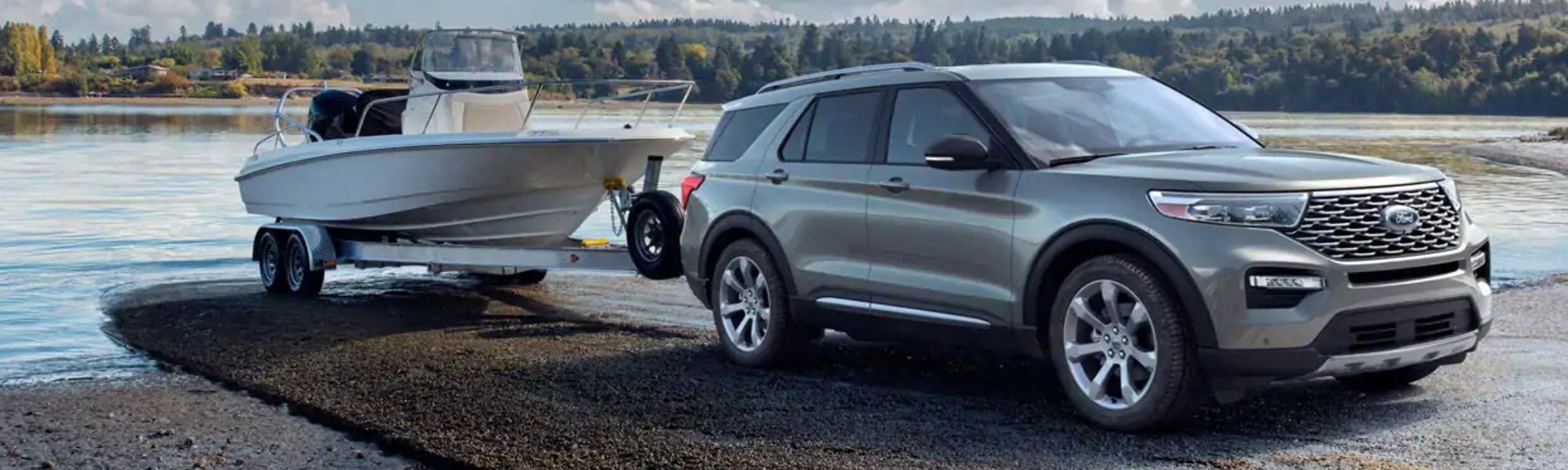
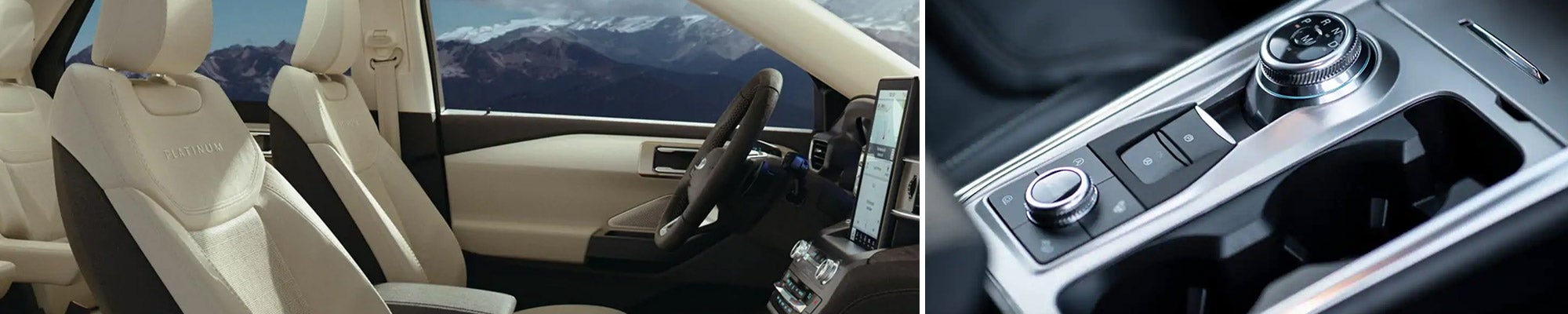
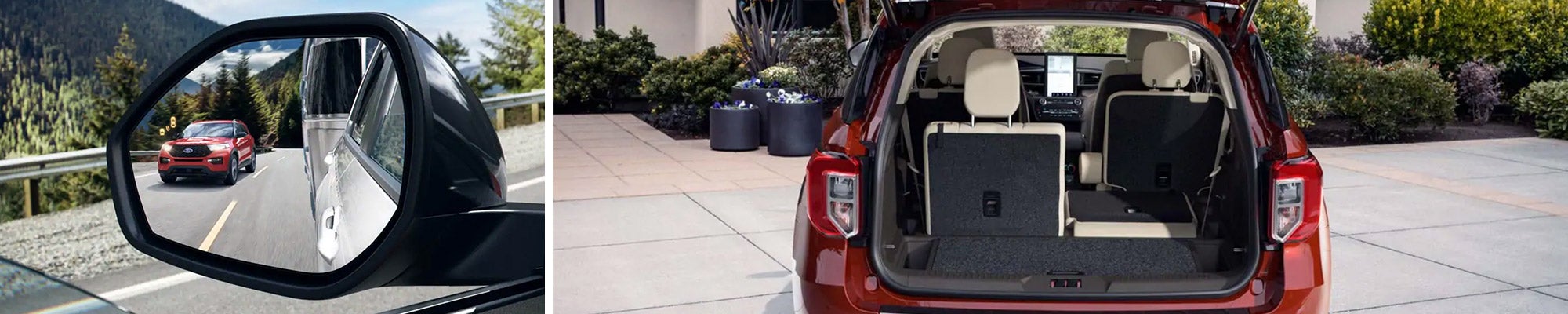
Though the Ford Explorer is one of the most popular SUV models out on today’s market, Ford decided it was time to take it to the next level. That is why it has given the 2020 Ford Explorer its first total redesign, both inside and out, since 2011. This new design will better showcase its expert craftsmanship and rugged strength. The expert staff at your local Ford dealership in Portsmouth NH is very excited for this incredible SUV model to arrive in our inventory later this year. The 2020 Ford Explorer contains unbelievable amounts of performance, versatility, relaxation, and so much more. However, the biggest draw of the 2020 Ford Explorer is its striking design. Its exterior has gorgeous curves that accent the muscular build of this SUV model and draw everyone’s focus to the care and mastery Ford has when engineering its vehicles. Components such as a gleaming metal grille only highlight the allure of the exterior. For the interior, you and your passengers can expect vast quantities of space to stretch out in. This SUV model is able to seat up to seven passengers and has three rows of seating, giving everyone riding along with you the freedom to bring any cargo needed for the trip. The professionals at your local Ford dealer in Portsmouth NH are glad to tell you that the 2020 Ford Explorer is slated to contain a wide range of technology that will boost how it operates on the road. This will make it one of the most capable SUV models in the history of Ford.Ford dealership Portsmouth NHThe 2020 Ford Explorer has thrilling levels of power for your journeys, making it stand apart from other SUV models in its class. For instance, it is reported to have a shocking maximum towing capacity of 5,000 lbs., letting you tow whatever you need to worry-free. The hands-free foot-activated liftgate gives you the convenience of stowing supplies without having to put anything down. All you have to do is slightly wave your foot under the rear bumper, and the liftgate will automatically open. You can use the available Cargo Management System to boost the already-impressive amount of room you have in your 2020 Ford Explorer. It has simple-to-clean rubber mats and dividers that you can easily adjust to be better organized. The 50/50 fold-flat second and third-row seating increase the amount of room your passengers can enjoy. Thanks to the overall 87 cu.ft. of space inside this exciting SUV model, you do not have to be concerned about not having enough room. The experienced staff at your local Ford dealership in Portsmouth NH will be happy to tell you more about these specifications when the 2020 Ford Explorer arrives.Ford dealership Portsmouth NHYou can choose to outfit your 2020 Ford Explorer with an innovative 12.3-inch digital instrument panel cluster that features a comprehensive productivity screen. A standard feature for the 2020 Ford Explorer ST and the 2020 Ford Explorer Platinum, the screen allows you to customize the information you view as you drive. You can choose to see the length of your trip, your current speed, the outside temperature, and a lot more. There will also be many other technological systems inside the 2020 Ford Explorer that will make all of your drives easier and a lot more fun. The team at your local Ford dealer in Portsmouth NH cannot wait for the arrival of the 2020 Ford Explorer. We believe you will be blown away by how mighty, sturdy, attractive, and relaxing this remarkable SUV model truly is. Be sure to stay in touch with us, and schedule your test drive as soon as we have the 2020 Ford Explorer in stock!
Posted in:

Related Posts

Ford Super Duty F-350 dually

Ford Super Duty Dually Guide: F-350, F-450, F-550, F-650 & F-750 Explained

Which Dually Model Is Right for You? Buyers often see similar Ford badges and assume the trucks differ only by size, but the real differences are in ratings, frames, axle limits, and intended job type. Whether you're comparing a Ford F-350 dually, Ford F-450 dually, Ford F-550 dually, Ford F-650 dually, or Ford F-750 dually, the useful question is not which truck sounds toughest, but which one matches your trailer, payload, upfit, and legal operating limits. This Ford Super Duty dually guide focuses on real workload decisions, from pickup towing with available electronic shift-on-the-fly 4WD to vocational body planning on medium-duty trucks. Understanding the differences between these dually models can help you choose the right truck from Portsmouth Ford for your business, fleet, or heavy-duty towing needs. What You’ll Learn in This Guide Our Ford Super Duty dually guide explains how dual rear wheels improve stability, payload handling, and towing confidence, especially with tall trailers, heavy pin weight, or commercial cargo. You’ll also see how to compare a Ford F-350 dually, Ford F-450 dually, Ford F-550 dually, Ford F-650 dually, and Ford F-750 dually based on trailer type, upfit needs, ratings, and real-world workload. Quick Comparison Table Model Vehicle Type Typical GVWR Range Hitch / Body Fit Upfit Friendliness Common Buyer F-350 DRW Heavy-duty pickup Lower than chassis cab classes Bumper pull, fifth-wheel, gooseneck Moderate RV owner, contractor F-450 DRW High-capability pickup Pickup-focused heavy-duty class Strong fit for fifth-wheel and gooseneck Moderate Serious tower F-550 Chassis Cab Commercial chassis cab Higher commercial class Body-dependent, hitch-dependent High Fleet, trades F-650 Medium-duty truck Higher medium-duty class Vocational and commercial Very high Delivery, towing, utility F-750 Largest in this group Highest vocational class here Specialized commercial Very high Municipal and fleet What Is a Dually Truck? A dually, also called a DRW or dual-rear-wheel truck, has two rear tires on each side of the rear axle. That extra rear tire capacity helps manage heavy loads, commercial bodies, and large trailers that can push a single-rear-wheel truck past its practical limits. Why Choose a Dually Over a Single-Rear-Wheel Truck? A dually can feel more stable with a fifth-wheel RV, gooseneck trailer, equipment trailer, or loaded service body because the wider rear footprint helps resist sway and side-to-side movement. Features like trailer sway control, available towing technology, and driver-assist camera views can add confidence, but the biggest advantage is how a DRW truck manages rear-axle stress under serious load. The tradeoffs matter, too. Dually trucks are wider, cost more to tire, fit fewer parking spaces, and may feel less forgiving on slick roads when unloaded. Overview of the Ford Super Duty Dually Lineup The Ford Super Duty dually lineup moves from pickup-based heavy towing to upfit-ready chassis cabs and medium-duty commercial trucks. The right choice depends less on badge size and more on GVWR, GAWR, payload, hitch type, body style, and how the truck will be used every day. A Ford F-350 dually is often the best fit for drivers who want strong towing capability with a traditional pickup bed. A Ford F-450 dually adds more control margin for large fifth-wheel RVs, gooseneck trailers, and frequent heavy towing. A Ford F-550 dually is built for commercial upfits, including flatbeds, dump bodies, utility bodies, and service trucks. A Ford F-650 dually moves into medium-duty territory for larger bodies, regional delivery, towing, and utility work. A Ford F-750 dually is Ford’s largest Super Duty work truck, built for demanding vocational roles, fleet use, and specialized commercial applications. Capability Basics to Know Before You Compare Before choosing between a Ford F-350 dually, Ford F-450 dually, Ford F-550 dually, Ford F-650 dually, or Ford F-750 dually, focus on the numbers that actually control the job. GVWR is the truck’s maximum allowed weight, GAWR limits each axle, payload is what the truck can carry, and GCWR is the maximum combined weight of truck and trailer. Payload is reduced by passengers, fuel, tools, hitch hardware, accessories, and upfit equipment. Rear GAWR is especially important for fifth-wheel and gooseneck towing because pin weight lands near the rear axle, which is often where buyers hit their first hard limit. Trailer Types: Bumper Pull, Gooseneck, and Fifth-Wheel Bumper-pull trailers place tongue weight behind the axle, which can increase leverage and sway if the trailer is long or improperly loaded. Gooseneck and fifth-wheel trailers distribute weight in the bed for better stability, but they also use up payload faster. That is why many buyers run out of rear-axle or payload capacity before reaching a truck’s advertised max tow rating. Ford F-350 Dually: Everyday Heavy-Duty Capability The Ford F-350 dually is a strong starting point for buyers who tow often but still want pickup-bed flexibility. It works well for fifth-wheel campers, horse trailers, equipment trailers, ranch use, and small-business hauling. For many owners, the Ford F-350 dually is the most balanced choice because it combines serious DRW stability with everyday usability. Ford F-450 Dually: Maximum Pickup-Style Towing The Ford F-450 dually is designed for drivers who tow large trailers often and want more control, braking confidence, and stability. It is a strong match for large RVs, heavy gooseneck trailers, multi-car trailers, and frequent mountain towing. Buyers should still confirm the door-sticker payload, as pin weight, passengers, fuel, and cargo all affect real-world capacity. Ford F-550 Dually: Commercial Chassis Cab Strength The Ford F-550 dually is built around the job, not just the trailer. As a chassis cab, it can be configured with flatbeds, dump bodies, landscape bodies, tow equipment, utility bodies, cranes, compressors, and other vocational upfits. It is often the right choice for contractors, landscapers, municipalities, utilities, and mobile service businesses that need a truck to carry equipment and tow in the same workday. Ford F-650 Dually: Medium-Duty Work Capacity The Ford F-650 dually steps beyond pickup-style thinking into medium-duty commercial use. It is commonly chosen for box trucks, tow trucks, beverage delivery bodies, larger utility builds, and regional fleet work. For businesses that repeatedly max out smaller trucks, the Ford F-650 dually can offer the durability, body capacity, and serviceability needed for higher-demand routes. Ford F-750 Dually: Ford’s Largest Super Duty Work Truck The Ford F-750 dually is built for serious vocational demands, specialized bodies, and high-utilization fleets. Common configurations include large dump trucks, rollback carriers, fire and rescue units, and heavy commercial bodies. This truck makes the most sense when the work consistently requires its size, ratings, and commercial capability. How to Choose the Right Ford Super Duty Dually Start with your trailer’s real loaded weight, not its brochure number. Then calculate passengers, fuel, tools, cargo, hitch weight, tongue weight, pin weight, and any upfit equipment. Match those numbers to GVWR, GAWR, GCWR, payload, hitch rating, tire rating, and wheel rating before choosing a truck. For many RV owners, a Ford F-350 dually works well, while a Ford F-450 dually adds confidence for larger fifth-wheels or frequent heavy towing. For contractors and owner-operators, a Ford F-550 dually often makes sense when a working body is part of the job. For fleets, a Ford F-650 dually or Ford F-750 dually may be the smarter long-term choice when uptime, body capacity, and vocational durability matter most. Common Mistakes to Avoid The biggest mistake is shopping based solely on max tow rating. A truck can have enough power to pull a trailer and still be overloaded at the axle, tires, wheels, or the hitch or payload limit. Whether you choose a Ford F-350 dually, Ford F-450 dually, Ford F-550 dually, Ford F-650 dually, or Ford F-750 dually, the best choice is the one that matches the job safely, legally, and confidently. Find Your Dually Choosing between a Ford F-350 dually, Ford F-450 dually, Ford F-550 dually, Ford F-650 dually, and Ford F-750 dually comes down to matching the truck to the work you need it to do. Whether you're towing a large RV, hauling equipment to the jobsite, managing a fleet, or planning a specialized commercial upfit, understanding payload, towing capacity, axle ratings, and intended use will help you make a confident decision. If you're ready to compare models in person or need help finding the right Ford Super Duty dually for your needs, visit Portsmouth Ford. Our team can walk you through the differences between each Ford Super Duty dually model, review your towing or business requirements, and help you find a truck built to handle the demands of your workload. FAQs Is the Ford F-450 Always a Dually? In consumer pickup form, the Ford F-450 is typically a DRW truck, but buyers should still verify the exact configuration and market. The key distinction is its towing-oriented hardware, not just the badge. Can You Daily Drive a Dually Truck? Yes, but daily use means living with extra width, higher tire cost, and tighter parking options. The tradeoff is much better stability when the truck is actually working. What Is the Difference Between a Ford F-550 and Ford F-650? The Ford F-550 is a Super Duty chassis cab designed around upfits and heavy commercial work. The Ford F-650 is a medium-duty truck with higher GVWR options and a stronger fit for larger bodies and harder daily cycles. Which Ford Dually Has the Highest Towing Capacity? Towing capacity depends on configuration, hitch type, axle ratio, and GCWR, so there is no single universal winner across every setup. Use the official Ford towing guide and your truck’s labels for the exact answer. Do You Need a CDL to Drive a Ford F-650 or F-750? Sometimes, because CDL rules depend on GVWR, GCWR, trailer weight, and local law. Confirm requirements with your DMV, employer, and insurer before ordering the truck. What tows more, Ford F-450 or Ford F-550? It depends on the configuration and hitch type. The Ford F-450 is often optimized for very high towing capacity, while a Ford F-550 can vary widely depending on body weight, axle ratio, and GCWR. How much can a Ford F-550 legally tow? Legal towing depends on the truck’s GCWR, hitch rating, trailer brake setup, and local regulations. Use the exact VIN-based ratings and confirm operating rules with your local DMV. SHOP NOW

Ford F-450 Vs. F-550: Specs, Payload, And Key Differences

Ford Super Duty or Heavy Duty: What's Your Workload? Choosing between the Ford F-450 and Ford F-550 usually means choosing a job profile, not just a badge. In comparing the Ford F-450 vs. Ford F-550, the real split is between a pickup truck built around serious towing capacity and a chassis-cab platform built around payload, body installation, and commercial flexibility. That distinction matters because conventional towing, 5th-wheel towing, bed payload, wheelbase, and upfit weight all change the answer. This Ford F-450 vs. Ford F-550 comparison from Portsmouth Ford covers specs, payload, towing technology, operating considerations, and work-fit scenarios so business owners, fleet managers, and commercial shoppers can make a clear decision. Quick Breakdown: Comparing Ford Truck Models Bottom line: Higher commercial payload and upfit headroom: Ford F-550, especially in DRW chassis-cab builds, where GVWR and body-builder flexibility usually matter more than pickup-bed convenience. Towing-focused pickup buyers: Ford F-450, which is often the better fit for those prioritizing trailer control, towing technology, and pickup-style use. Maneuverability and mixed-use driving: Ford F-450, because many buyers comparing Ford F-450 vs. Ford F-550 want heavy capability without moving fully into a larger commercial-body path. Acquisition cost and simpler build-and-price shopping: Ford F-450, since pickup configurations are often easier to evaluate than a chassis cab plus body package. Fleet flexibility and body options: Ford F-550, because service, dump, flatbed, and utility applications usually start with a chassis-cab strategy. What Is the Difference Between These Ford Trucks? The difference between the Ford F-450 and Ford F-550 comes down to intended use after purchase. The Ford F-450 appeals to buyers who want a towing-capable Ford Super Duty with pickup-like usability, while the Ford F-550 is usually chosen when a commercial body, a higher GVWR class, or specialized equipment is part of the plan. Both trucks sit in the Ford Super Duty ecosystem, but they solve different problems. A Ford F-450 often supports trailer-focused work with familiar pickup features like a bed and an integrated trailer brake controller, while a Ford F-550 more often starts as a dual-rear-wheel chassis ready for a body installer. Pickup vs. Chassis Cab: Why It Changes Everything A chassis cab changes the payload math because frame design, axle rating, and body weight all factor into the final vehicle strategy. Buyers comparing the Ford F-450 vs. Ford F-550 should verify the final upfit weight before assuming the remaining payload. A heavy body can quickly consume capacity, and the wrong starting platform can leave a truck legally loaded but operationally compromised. Truck Specs and Configurations Ford F-450 vs. Ford F-550 specs comparisons should start with what Ford actually offers for the specific model year and body style. Engine families can include gas or diesel engines, depending on model, GVWR class, and configuration, while transmission pairing, 4x2 or 4x4 availability, axle ratio, and wheelbase all affect how the truck performs in the field. Cab size and frame length matter as much as engine choice in the Ford F-450 vs. Ford F-550, because they shape turning radius, ride behavior, and body packaging. Engine and Drivetrain Considerations Engine availability and output can vary between the Ford F-450 vs. Ford F-550, which matters because axle ratio and drivetrain selection influence grade performance, towing feel, launch under load, and fuel use more than many shoppers expect. Cab, Wheelbase, and Frame Choices That Affect Real Work Fit Regular Cab and SuperCab layouts of the Ford F-450 vs. Ford F-550 can improve packaging efficiency when crew size is small, and body length matters. Crew-oriented buyers may prefer more cabin space, but a longer cab can reduce body length options or affect maneuvering in tight service routes. Wheelbase is not just a measurement on paper. Ford F-450 vs. Ford F-550 chassis-cab layouts often offer more flexibility than a pickup bed when the goal is a crane body, longer flatbed, or service body with organized storage. Payload and GVWR Reality Check Ford F-450 vs. Ford F-550 payload comparisons are really GVWR calculations. Payload is calculated by subtracting curb weight, passengers, cargo, upfit weight, fuel, accessories, and tongue weight from the Gross Vehicle Weight Rating, or GVWR. The most accurate reference for determining payload is the specific payload label located on the truck's door jamb. In the market, the Ford F-550 chassis cab is often chosen when buyers need more GVWR headroom for commercial bodies and equipment. The Ford F-450 remains an excellent choice when towing is the priority and payload needs are substantial but not dominated by a heavy upfit, and staying within ratings matters for braking, tire loading, and liability. Towing Focus and Why the Numbers Can Surprise People Some buyers are surprised to find that the Ford F-450 can outperform the Ford F-550 in towing capacity under certain configurations. This Ford F-450 vs. Ford F-550 discrepancy arises because towing capability is influenced by several factors, including GCWR, hitch design, axle ratio, cooling systems, and wheel and tire configurations. It's not solely determined by selecting the truck with the higher GVWR. For those who frequently tow trailers, the Ford F-450 is often a better option for pickup-style towing. In contrast, many Ford F-550 models are designed with a focus on payload, body installation, and specialized vocational equipment, which can result in a design that prioritizes different features over a singular towing statistic. Category winner: Ford F-450 — For buyers centered on trailer work, pickup-oriented towing configurations often make the Ford F-450 the clearer tool. Conventional vs. Gooseneck/5th-Wheel: What to Compare Conventional towing and gooseneck towing should never be treated as the same use case. Hitch type changes stability, load transfer, and rating limits, and high trailer ratings can still be constrained by bed payload or pin weight. Use the current Ford towing guide and confirm labels on the exact truck. In Ford F-450 vs. Ford F-550 comparisons, the trailer should match the truck’s exact configuration rather than the largest number in a brochure. Work-Ready Use Cases and Upfit Compatibility Landscaping, construction, farming, towing services, and municipal fleet operations do not ask the same thing from a Ford F-450 vs. Ford F-550 truck. The Ford F-550 usually fits jobs that need a utility body, stake body, dump body, flatbed, or PTO-related commercial setup, while the Ford F-450 often fits buyers who want serious capability in a less specialized package. Ford Pro support also matters for commercial planning because ordering, telematics availability, and upfit coordination can influence downtime and deployment. For fleet managers, the Ford F-450 vs. Ford F-550 truck that enters service more quickly and carries the legally required body is often the more profitable choice. Category winner: Ford F-550 — When the truck must carry a vocational body and equipment every day, the Ford F-550 usually offers a stronger foundation. Common Upfits That Push Buyers Toward Ford F-550 Service bodies with compressors or generators, dump bodies, heavier flatbeds with tool storage, and some utility crane applications commonly push buyers toward the Ford F-550 vs. F-450. Higher GVWR headroom can preserve usable payload after the body is installed, which is the metric that determines whether the truck stays useful. Common Scenarios Where the Ford F-450 Makes Sense The Ford F-450 makes sense for frequent towing in a pickup-style setup, mixed personal and work driving, and buyers who do not need the higher chassis-cab path. The final choice between the Ford F-450 vs. Ford F-550 should still come from the exact payload label and equipment plan, not assumptions based on model name alone. Ownership Considerations That Affect Total Cost The operating costs of a Ford F-450 vs. Ford F-550 are influenced more by its load profile than by its brand or model prestige. Key factors like tires, brakes, fuel consumption, diesel exhaust fluid (DEF) for diesel engines, and routine and body maintenance are all affected by the vehicle's weight, duty cycle, and how frequently it operates close to its maximum capacity. Additionally, insurance premiums, registration fees, and compliance requirements may vary based on the Ford F-450 vs. Ford F-550 Gross Vehicle Weight Rating (GVWR) classification and the intended business usage. When deciding between models such as the Ford F-450 and Ford F-550, making an informed choice early on is essential. It can help minimize the risk of overloading, reduce the likelihood of premature wear and unscheduled repairs, and ultimately lead to less downtime. Category winner: Ford F-450 — For many non-fleet buyers, the Ford F-450 can be easier to live with when the job does not require a heavier commercial-body strategy. Compliance and Weight-Class Considerations (State-Dependent) A Ford F-450 vs. Ford F-550 fleet buyer should check local rules for commercial plates, inspections, DOT requirements, and weight-class triggers before ordering. That step is operational planning, not legal advice, but it can change the total cost and administrative burden of a truck. About the Ford F-450 The Ford F-450 stands out in this comparison as a vehicle primarily designed for towing, attracting those who seek substantial capability without diving into a heavier chassis-cab option. It strikes a perfect balance for buyers who require strong towing performance while still prioritizing the versatility of a pickup and ease of maneuvering. About the Ford F-550 The Ford F-550 is typically the commercial-body platform in the Ford F-450 vs. Ford F-550 matchup. It is commonly selected when payload after upfit, frame flexibility, and higher GVWR classes matter more than having a factory pickup bed. The Deciding Factors Choose Ford F-450 if: You need frequent heavy towing in a pickup-oriented configuration. You want strong capability without maximum chassis-cab GVWR headroom for a heavy upfit. Your work includes personal driving, jobsite towing, and tighter-route maneuvering. Your crew and equipment plan still fits the truck’s payload label. You want to bring your trailer plan to our team for label-based matching. Choose Ford F-550 if: Your build includes a service body, dump body, utility body, or flatbed that will consume a significant payload. You need higher GVWR classes commonly used in commercial service. You need wheelbase and frame flexibility for upfitting. Your operation depends on carrying tools, equipment, and crew every day. You want us to review the upfit plan before finalizing the order. Experience Ford Truck Toughness For upfit-driven commercial builds, the Ford F-550 is usually the more appropriate recommendation. For tow-driven pickup builds, the Ford F-450 is often the cleaner answer, but the outcome depends on the configuration. The right process is simple: start with the payload after upfit, confirm the trailer type, then evaluate the cab, wheelbase, and operating costs. That sequence keeps Ford F-450 vs. Ford F-550 decisions grounded in work requirements instead of assumptions. At Portsmouth Ford, our team can help compare build sheets, GVWR labels, and upfit plans before you commit. Visit us to review current Ford Super Duty options, custom ordering paths, and practical commercial-truck guidance. How Our Team Helps You Confirm the Right Build We can review the door-jamb label, axle ratings, and upfit weight estimates so the final truck matches the real job. We also help with custom ordering and commercial-truck planning based on actual work requirements, not generic ratings. FAQs What is the weight difference between the Ford F-450 and the Ford F-550? It depends on cab, drivetrain, body style, and GVWR class. A Ford F-550 chassis cab is typically built in higher GVWR classes, but the exact difference should be confirmed on the build sheet and door-jamb label. Why can a Ford F-450 tow more than a Ford F-550? Tow ratings depend on GCWR, axle ratio, hitch type, wheel and tire setup, and engineering focus. Some Ford F-450 configurations are optimized for towing, while many Ford F-550 builds prioritize payload and upfits. How much weight can a Ford F-450 carry in the bed? Payload varies widely by configuration and equipment. The most reliable number is the payload figure on the specific truck’s door-jamb label. What are the pros and cons of buying a Ford F-450? Pros include strong towing-focused configurations and pickup-style usability for mixed work and personal driving. Limits can include less GVWR headroom for heavy commercial upfits compared with a Ford F-550 chassis cab. Is a Ford F-550 always the right choice for a higher payload? Often, but not automatically. Final usable payload depends on the body installed, axle ratings, equipment weight, and the exact truck’s labels, so confirm the exact truck’s labels and towing guide. SHOP NOW

Ford Chassis Cab

Ford Chassis Cab Buyer’s Guide: Which Model Is Right For Your Business?

Choosing A Model That Works For Your Business Choosing the right commercial truck starts with one question: what does the finished truck need to do every day? For many contractors, fleet managers, municipal departments, landscapers, plumbing companies, towing companies, and service teams in and around Portsmouth, NH, the answer is not a standard pickup. It is a truck that can be built around the job. That is where a Ford Chassis Cab becomes such a practical choice. At Portsmouth Ford, businesses throughout Rockingham County shop for commercial trucks with real work in mind. Some need a compact service body for daily repair calls. Others need a dump body, flatbed, box body, rollback, wrecker, or crane upfit that can handle heavy loads and long duty cycles. A Ford Chassis Cab gives you the foundation to build that truck correctly from the start. Unlike a pickup with a factory bed, Ford Chassis Cabs are designed with exposed frame rails so an upfitter can add the right work body for your business. That setup lets you plan for GVWR, payload, towing capacity, axle rating, wheelbase, cab-to-axle dimensions, electrical load, and body weight before the truck ever goes to work. For business owners who depend on uptime, that planning matters. Why Businesses Shop Chassis Cab Trucks A Ford Chassis Cab is built for commercial customization. Instead of forcing your business to work around a consumer pickup layout, it lets you start with the cab, frame, powertrain, and capability you need, then add a body that supports your daily operation. That flexibility is useful across many industries. A contractor may want a stake bed or dump body for materials. A plumbing company may need a utility body with organized compartments and secure tool storage. A landscaper may need payload capacity for equipment, mulch, stone, and seasonal gear. A towing company may need a rollback, wrecker, PTO equipment, and dependable electrical support. A municipal fleet may need a truck that can handle stop-and-go driving, jobsite idling, winter work, and specialized upfits. This is why shopping for a Ford Chassis Cab at Portsmouth Ford is less about picking a trim and more about matching a truck to your business model. The right setup should support your workload today while giving your fleet enough margin for growth. Start With the Upfit, Not the Badge The smartest way to shop for a Ford Chassis Cab is to begin with the upfit. Before choosing a model, consider the body style, installed body weight, expected cargo, passenger count, towing needs, and equipment that draws power from the truck. A utility body, service body, dump body, flatbed, box body, rollback, wrecker, and crane upfit all place weight in different areas. That matters because the finished truck must stay within GVWR, payload, front and rear axle ratings, and braking limits. A build that looks fine on paper can become frustrating if the work body is too heavy, the wheelbase is wrong, or the cab-to-axle dimension does not match the body. Portsmouth Ford can help commercial shoppers think through these details before they commit. That is especially helpful for buyers around Portsmouth, NH, and Rockingham County who need one truck to handle mixed routes, tight jobsites, rural roads, customer stops, and seasonal demands. Key Specs That Matter Most When comparing a Ford Chassis Cab, the big numbers matter, but they need to be read in context. GVWR tells you the maximum loaded weight rating of the truck. Payload helps determine how much the truck can carry, including the body, equipment, fuel, passengers, and tools. Towing capacity matters for trailers, equipment, and vocational work, but it should never be considered in isolation from payload and axle ratings. Wheelbase affects ride quality, turning radius, stability, and body compatibility. A longer wheelbase may support a larger work body, but it can make the truck harder to maneuver through tight parking lots, narrow alleys, and compact jobsite entrances. Cab-to-axle is just as important because it helps determine what body length and rear overhang will fit correctly. Electrical planning also matters. Auxiliary switches, alternator output, battery capacity, liftgates, lighting, compressors, pumps, and control systems all add demand. Ford’s Vehicle Integration System 2.0 can help support equipment integration by providing upfitters with a cleaner way to connect to and control certain aftermarket functions. For many businesses, that can mean a more organized build with fewer compromises. Choosing the Right Cab and Drivetrain A Ford Chassis Cab can be configured around different cab needs. A Regular Cab often works well when maximum frame space and body length are priorities. A SuperCab can add useful interior room without going as large as a full crew setup. A Crew Cab is a smart choice when your truck regularly carries multiple workers, supervisors, or technicians. Drivetrain choice is another practical decision. For commercial shoppers in Rockingham County, 4x4 or 4WD can be valuable for winter weather, muddy jobsites, gravel lots, and uneven terrain. The tradeoff is added weight, cost, and maintenance, so it should be chosen because the work requires it. For businesses that spend most of their time on paved roads, a simpler setup may be the better long-term value. Engine and transmission choices should also match real-world use. The 7.3L V8 gas engine and 10-speed automatic transmission are familiar options in the Ford Super Duty® commercial space, depending on model and configuration. The right setup should reflect stop-and-go driving, towing frequency, average payload, jobsite idling, and daily duty cycle rather than peak numbers alone. Ford F-350 Cab and Chassis The Ford F-350 Cab and Chassis is often a strong fit for businesses that need commercial capability without stepping into a larger truck than the job requires. It can work well for lighter service builds, mobile repair needs, and organized vocational setups where maneuverability is just as important as strength. For plumbers, electricians, HVAC teams, and smaller contractors, this model can make sense with a utility body or service body that keeps tools secure and accessible. It gives local businesses a practical way to move beyond a standard pickup while still keeping the truck manageable for daily routes around Portsmouth and nearby Rockingham County communities. Ford F-450 Cab and Chassis The Ford F-450 Cab and Chassis is often the next logical step for businesses that need greater payload capacity, towing, or the ability to handle heavier equipment. It can be a strong fit for contractors, service fleets, and trades that carry more tools, larger compartments, compressors, generators, or specialty equipment. For many commercial shoppers, this is the middle ground. It offers more capability than a lighter build while still staying within the familiar Ford Super Duty® family. If your finished work body, tools, crew, and trailer needs are starting to push the limits of a smaller truck, this model deserves a close look at Portsmouth Ford. Ford F-550 Cab and Chassis The Ford F-550 Cab and Chassis is built for heavier vocational work where body weight, payload, and equipment demands are a larger part of the conversation. This model is often considered for dump body applications, larger service body setups, heavier flatbed builds, and certain crane upfit needs, depending on final configuration. A Ford Chassis Cab in this class can be a smart choice for businesses that cannot afford to operate at the edge of their ratings every day. Landscapers, construction crews, municipal departments, and material-hauling businesses often need that extra margin because real-world loads are rarely as light as early estimates. Ford F-650 Cab and Chassis The Ford F-650 Cab and Chassis moves into medium-duty territory for larger vocational applications. It is often considered when the finished build needs more structure, larger body options, stronger commercial presence, or a harder duty cycle than a lighter truck can comfortably support. This model can be a fit for box body builds, larger dump applications, delivery routes, tow-related work, and fleet use where the truck is expected to handle demanding schedules. Medium-duty ownership also brings different considerations for service planning, compliance, insurance, and driver requirements, so buyers should look beyond the purchase price and consider total operating costs. Ford F-750 Cab and Chassis The Ford F-750 Cab and Chassis is the highest-capacity option in this group and is intended for serious commercial work. It is commonly used for heavy-duty applications, rollback applications, wrecker setups, municipal fleet use, and businesses that need durability under repeated heavy loads. This is not the truck most buyers choose for occasional heavy work. It is the option to consider when the body, route, load, and duty cycle point clearly toward medium-duty strength. If your business needs a truck that can handle demanding work day after day, Portsmouth Ford can help you compare whether this larger platform is the practical answer. Matching the Truck to the Work The best Ford Chassis Cab setup depends on the finished job. A plumbing company may need a compact service body with secure storage, good turning radius, and dependable electrical support. A contractor may need a flatbed or stake bed that can carry materials without wasting capacity. A landscaper may need a dump body and 4WD for seasonal work and uneven sites. A towing company may need PTO capability, stronger electrical planning, and the right platform for a rollback or wrecker. The goal is not simply to buy the biggest truck. The goal is to buy the right truck. Too little truck can create payload issues, premature wear, and daily frustration. Too much truck can raise costs, reduce efficiency, and make local routes harder than they need to be. A properly selected Ford Chassis Cab should feel built for your business, not borrowed from someone else’s. Common Mistakes to Avoid One common mistake is shopping only by model name instead of finished weight. Body weight, mounted equipment, fuel, crew, tools, and cargo all affect the final payload picture. Another mistake is ignoring axle rating. A truck may appear to have enough total capacity, but if too much weight sits behind the rear axle, the build can still be wrong. Wheelbase and cab-to-axle planning are also easy to underestimate. If those dimensions do not align with the upfit, the body may not fit correctly, the rear overhang may be incorrect, or the truck may be less stable than expected. Electrical load is another overlooked area, especially when the truck will use lights, compressors, pumps, liftgates, warning equipment, auxiliary switches, or other powered systems. A Ford Chassis Cab should be planned as a finished tool, not just a truck. The closer your planning reflects the way your business actually works, the better the final build will serve you. What to Bring When You Shop at Portsmouth Ford Before visiting Portsmouth Ford, gather as much information as possible about the upfit and workload. Bring the body type, estimated installed body weight, expected cargo, trailer needs, crew size, daily route details, and any equipment that requires electrical support. If you already have an upfit quote or body spec sheet, bring that too. It also helps to think through your heaviest realistic day. That may include tools, materials, fuel, passengers, attachments, seasonal equipment, and trailer weight. Planning around the average day can lead to an undersized truck. Planning around the heaviest reasonable day helps create a build that works when your business is busiest. For shoppers in Portsmouth, NH, and throughout Rockingham County, Portsmouth Ford offers a practical place to compare commercial options, talk through configurations, and narrow the lineup based on real business needs. The right Ford Chassis Cab should support your routes, crew, upfit, and long-term workload. Find Your Commercial Truck at Portsmouth Ford A well-chosen Ford Chassis Cab can become one of the most valuable tools in your business. It can carry the right load, support the right payload, handle the right towing needs, and make daily tasks more efficient. Whether you need a compact service build, a heavy-duty dump setup, a flatbed, a box body, a municipal fleet truck, or a towing platform, the right choice starts with understanding the work. Portsmouth Ford is here to help businesses compare commercial Ford trucks with confidence. Visit Portsmouth Ford in Portsmouth, NH, to explore Ford Chassis Cab options, review your upfit needs, and find the model that fits your Rockingham County operation. FAQs What is a chassis cab truck? A chassis cab truck is sold with a cab and exposed frame rails, rather than a factory pickup bed. That design allows an upfitter to add a work body such as a utility body, service body, dump body, flatbed, box body, rollback, wrecker, or crane upfit. What is a Ford Chassis Cab used for? A Ford Chassis Cab is used for commercial and vocational work that requires a specialized body. Businesses use these trucks for construction, landscaping, plumbing, HVAC, towing, delivery, municipal work, mobile service, and fleet operations. How do I choose the right Ford Chassis Cab? Start with the upfit, then compare GVWR, payload, towing capacity, axle rating, wheelbase, cab-to-axle dimensions, cab style, drivetrain, and electrical needs. Portsmouth Ford can help you match the truck to the finished body and real-world duty cycle. Is a chassis cab better than a pickup for commercial work? A chassis cab is often better when your business needs a specialized work body or heavier commercial setup. A pickup can work well for lighter jobs, but a Ford Chassis Cab gives businesses more flexibility for vocational upfits and purpose-built configurations. Where can I shop for Ford Chassis Cab trucks in Portsmouth, NH? Businesses in Portsmouth, NH, and across Rockingham County can shop commercial Ford truck options at Portsmouth Ford. The team can help you compare models, discuss upfit needs, and find a configuration that fits your workload. SHOP NOW