


Find the Ford Super Duty That Works as Hard as You Do
If you’re comparing the Ford F-250 and Ford F-350, chances are you already know a Ford Super Duty is the right fit—now it’s about deciding which model delivers the capability you truly need. While these heavy-duty trucks share the same rugged platform, advanced technology, and available trim levels, the key differences lie in towing strength, payload capacity, rear axle performance, and everyday drivability.
In this guide, we’ll break down the biggest differences between the Ford F-250 and the Ford F-350, including towing and hauling capabilities, single-rear-wheel vs. dual-rear-wheel configurations, ride comfort, truck size, ownership costs, and which truck makes the most sense for your work or lifestyle.
Ready to compare Ford Super Duty trucks in person? Visit Portsmouth Ford today to explore Ford F-250 vs. Ford F-350 specs, features, and inventory firsthand.
Quick Verdict: Ford F-250 vs. Ford F-350
- Best for max towing: Ford F-350
- Best for payload: Ford F-350
- Best value: Ford F-250
- Best daily-driver feel: Ford F-250
- Best for fifth-wheel towing and gooseneck towing: Ford F-350
Ratings vary by engine, axle ratio, cab size, bed length, 2WD versus 4×4, and single-rear-wheel versus dual-rear-wheel configuration. These trucks share much of their hardware, so the real divider is whether you need more payload margin and the stability that comes with the Ford F-350’s broader rear-wheel options and stronger resale value in heavy-use applications.
Head-to-Head Comparison Table: Ford F-250 vs. F-350
| Feature / Category | Ford F-250 | Ford F-350 |
|---|---|---|
| Starting price | Typically lower MSRP | Typically modestly higher MSRP |
| Max towing potential | Strong, but usually a lower ceiling | Usually higher, especially in DRW configuration |
| Max payload potential | High, but more limited by configuration | Higher in many setups |
| SRW availability | Yes | Yes |
| DRW availability | Typically no | Yes |
| Ride quality unloaded | Often smoother | Often firmer, especially DRW |
| Fuel economy expectations | Similar, depends on the engine and 4×4 | Similar, depends on the engine and setup |
| Turning radius and parking ease | Usually easier | DRW is harder to park |
| Insurance and registration | Often simpler | May be higher depending on GVWR class |
| Resale demand for work use | Broad mainstream appeal | Strong among heavy-haul buyers |
| Bed length choices | Depends on cab and bed length pairing | Similar choices, plus more heavy-duty use cases |
Towing Capacity: Ford F-250 vs. Ford F-350
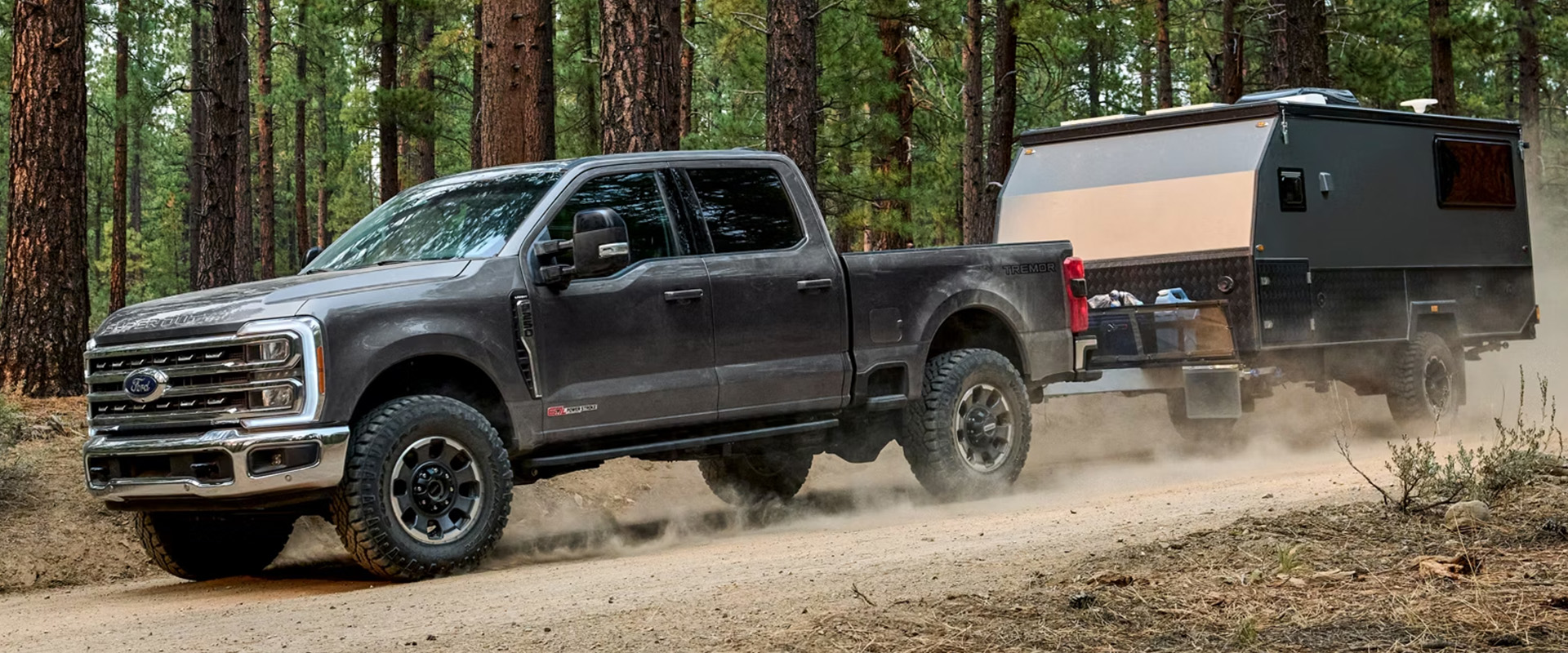
Ford F-250 vs. Ford F-350 towing capacity is where many buyers start, but max tow numbers can mislead if you ignore hitch type and payload. A Ford F-250 can tow serious weight with a gooseneck trailer or a conventional towing setup. Yet, the Ford F-350 often unlocks higher towing capacity because Ford certifies more aggressive rear axles, suspensions, and dual-rear-wheel combinations.
The biggest variables are engine choice, axle ratio, cab and bed layout, 4×4 status, curb weight, gross vehicle weight rating, and gross combined weight rating. That matters because a diesel, long-bed, properly geared Ford F-350 may post a much stronger fifth-wheel or gooseneck figure than a similarly equipped Ford F-250, even though the Ford F-250 vs. the Ford F-350 size is often nearly identical in SRW form.
What Changes Towing the Most
A gas engine usually lowers upfront costs, while a diesel often improves towing confidence under sustained load, especially at highway speeds or at altitude. Trailer type matters just as much because a bumper-pull trailer stresses the truck differently than a fifth-wheel, equipment trailer, or gooseneck with a higher hitch load. If your trailer has substantial pin weight or tongue weight, payload can become the limiter before the published tow rating does. That is the practical reason many RV and equipment buyers step up to a Ford F-350 even when brochure towing numbers already look sufficient.
Category winner: Ford F-350 — more configurations, especially DRW setups, push towing ceilings higher and create more margin for demanding trailer types.
Payload and Real-World Hauling: Ford F-250 vs. Ford F-350
Payload is the total weight the truck can carry in the cab and bed, including passengers, tools, hitch hardware, camper gear, plows, service equipment, and trailer pin weight. In real ownership, payload often matters more than advertised tow numbers because the truck’s door jamb sticker reflects the exact truck you are buying, not an idealized brochure example.
That sticker matters because a diesel engine, 4×4 hardware, upscale trim levels, and options such as a camper package all reduce available payload. A Ford F-250 in a luxury trim can lose meaningful hauling margin, while a Ford F-350 usually preserves more usable capacity and better rear-end composure under the same load.
Payload Traps Buyers Miss
Heavy trim packages and diesel choices can cut payload enough to change which trailer or slide-in setup is realistic. Fifth-wheel pin weight is the classic trap, because many buyers hit payload limits before they ever approach the advertised max tow figure.
The Ford F-350 also tends to squat less and feel more controlled under bed load, especially with a camper or work equipment installed. That stability is not just about ratings; it directly affects braking confidence, steering feel, and long-distance fatigue.
Category winner: Ford F-350 — higher payload ratings and better stability make it the smarter choice for serious hauling, not just bigger brochure numbers.
Rear-Wheel Configuration (SRW vs. DRW): The Ford F-250 vs. The Ford F-350
A single rear wheel means one tire per side on the rear axle, while a dual rear wheel adds two tires per side for a wider, more stable rear track. This is the biggest functional difference between the trucks, because the Ford F-250 is typically SRW only, while the Ford F-350 can be configured as SRW or DRW.
DRW improves payload and reduces sway under heavy campers, hotshot-style towing, and large gooseneck loads. The tradeoff is real-world inconvenience, because extra width complicates parking, garage fit, drive-through access, winter tire strategy, and replacement cost.
SRW vs. DRW Pros and Cons
DRW offers greater stability and higher capacity, while SRW is easier to live with day to day. A narrower footprint also makes SRW trucks less stressful in urban traffic, jobsite gates, and tight residential driveways. DRW means more tires to buy, more width to manage, and more attention when roads narrow. For buyers towing heavy but infrequently, that penalty can outweigh the benefit.
Category winner: Ford F-350 — DRW availability is the single biggest separator because it changes what the truck can safely and confidently do.
Engines and Powertrains: Ford F-250 vs. Ford F-350
Both trucks commonly share the same gas and Power Stroke® diesel engine families, so the difference between the Ford F-250 vs. the Ford F-350 specs is less about horsepower availability and more about how ratings are certified around the truck. Ford often equips both models with similar powertrains, but axle ratios, spring setups, and configuration options determine how much of that power translates into legal towing and hauling capacity. Gas usually makes more sense for buyers who want lower buy-in, simpler maintenance, and moderate towing. Diesel usually earns its price for frequent heavy towing, long highway miles, and drivers who care about torque delivery under load more than upfront savings.
Gas vs. Diesel: Who Should Choose What
Choose gas if the truck will split time between commuting, occasional towing, and general work truck duty. Choose diesel if you tow heavy often, operate at altitude, or want the relaxed pulling feel that comes with higher low-end torque and transmission-friendly power delivery. Transmission pairing is similar across these trucks, but gearing still shapes the experience. A shorter axle ratio can improve towing response, while a taller ratio may help fuel economy expectations when unloaded.
Category winner: Tie — engine availability is similar, and the real difference comes from ratings, axle choices, and suspension certification.
Ride Quality and Daily Driving: Ford F-250 vs. Ford F-350
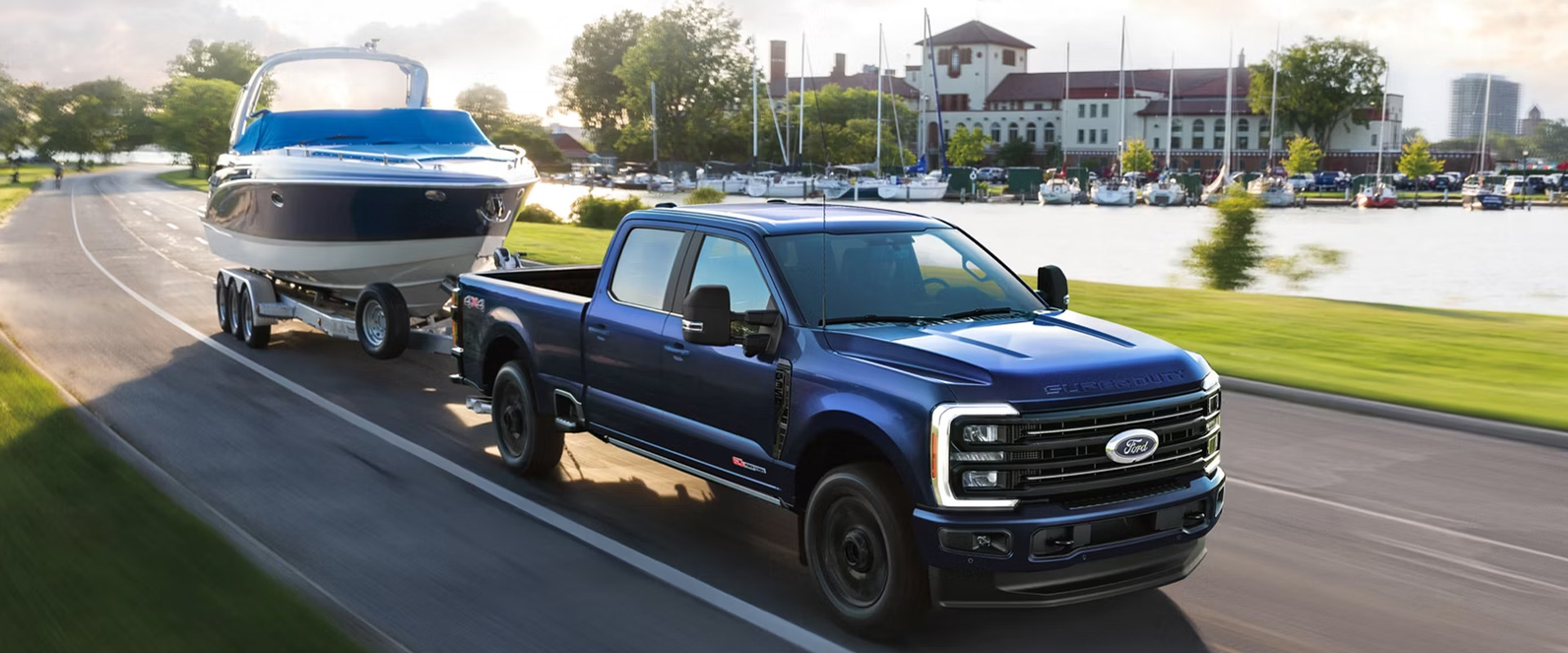
Ford F-250 vs. Ford F-350 ride quality depends less on badge and more on how hard the truck is rated to work. Unloaded, the Ford F-250 often feels easiergoing, while a Ford F-350 with heavier springs or DRW hardware can feel stiffer and busier over rough pavement.
Loaded, the advantage can reverse because the Ford F-350 usually feels more planted and less unsettled. That matters for drivers towing often, since confidence under load is part of ride quality, even if the unloaded truck feels firmer.
What Impacts Ride Quality Most
Tire type, tire pressure, spring rate, wheelbase, and whether the truck is carrying weight influence comfort more than shoppers expect. DRW width and extra unsprung mass also affect road noise, steering feel, and maneuverability in daily use.
Parking ease, turning feel, and tire replacement cost all favor the Ford F-250 for non-commercial owners. That makes it the more livable choice for people who need the capability but still use the truck like a personal vehicle.
Category winner: Ford F-250 — typically the easier daily driver, especially when compared with an F-350 DRW or high-payload setup.
Size, Cab/Bed Options, and Interior: Ford F-250 vs. Ford F-350
When shoppers compare the Ford F-250 vs. the Ford F-350 in terms of size, they often assume the Ford F-350 is much larger. In reality, a Regular Cab, SuperCab, or Crew Cab Ford F-250 and Ford F-350 with the same bed length are often nearly identical in length and wheelbase, with DRW width creating the biggest visible difference. Interior design, infotainment, seating, and trim content also overlap heavily because trims drive comfort features more than model numbers do. That means the practical difference between these trucks is usually under the skin, not in cabin quality or exterior dimensions.
Ford F-250 vs. Ford F-350 Size: What Actually Changes
Same cab and bed combinations usually mean nearly the same footprint. Payload packages, rear spring setup, and DRW stance often change how the truck behaves more than how large it looks. For buyers worried about family comfort or tech, trim selection matters far more than choosing between a Ford F-250 and a Ford F-350. For buyers worried about garage fit, DRW is the dimension that deserves the closest attention.
Category winner: Tie — dimensions and interior features are largely configuration- and trim-driven rather than model-specific.
Pricing, Ownership Costs, and Resale: The Ford F-250 vs. The Ford F-350
The Ford F-350 often costs more, but the typical price gap can be smaller than the jump created by trim, diesel power, towing packages, or 4×4. That means many shoppers over-focus on model number when the real budget swing comes from options and long-term maintenance costs. Ownership costs can rise with diesel service, DEF use, six-tire DRW replacement, and possible insurance or registration differences tied to GVWR class in some states. Resale cuts both ways: the Ford F-350 often holds strong appeal for heavy-haul buyers, while the Ford F-250 usually has broader mainstream demand.
Hidden Costs to Budget For
DRW means six tires, not four, and that alone changes replacement math. Diesel ownership also brings higher maintenance costs in many cases, which only pays back if you actually use the truck’s towing advantage. For buyers who do not need the extra margin, the Ford F-250 is usually the cleaner financial choice. It delivers most of the same Ford Super Duty experience with fewer ownership penalties.
Category winner: Ford F-250 — typically lower entry cost and simpler ownership make it the better value for non-commercial buyers.
About the Ford F-250
The Ford F-250 sits in the sweet spot for buyers who need serious capability without moving fully into payload-focused configurations. It works well for homeowners, contractors, and RV owners who tow moderate-to-heavy loads but do not max out the rear axle every week.
Its strengths are broad trim availability, easier daily driving than a DRW truck, and enough capability for many trailers and jobsite duties. For a mixed-use heavy-duty truck, the Ford F-250 is often the more balanced answer.
About the Ford F-350
The Ford F-350 is the more payload-oriented member of the pair, especially when configured for SRW heavy hauling or DRW maximum stability. It fits buyers who tow heavy fifth-wheel loads, carry a slide-in camper, or run fleet and work applications where capacity margin matters every day. Its key advantage is not cosmetic; it is the ability to support heavier loads with more confidence. That makes the Ford F-350 the better tool for buyers who regularly push the truck’s limits rather than occasionally approaching them.
Decision Framework: When to Choose the Ford F-250 vs. When to Choose the Ford F-350
The smartest choice depends on how much weight reaches the truck itself, not just what the trailer brochure says. If your frame, hitch, and trailer combination places you within roughly 10 to 15 percent of the payload limit, stepping up usually reduces stress and improves control.
Choose the Ford F-250 if:
- You want heavy-duty capability, but do not routinely carry a high bed payload or high fifth-wheel pin weight.
- You prioritize easier parking, garage fit, and a simpler daily-driver experience.
- You want to keep the purchase price and tire costs lower while still towing confidently.
Choose the Ford F-350 if:
- You routinely haul heavy payloads such as a service body, camper, or dense materials.
- You tow a fifth-wheel or gooseneck with high pin weight and want more payload margin.
- You want the option of DRW for the highest tow and haul configurations.
Verdict: Which Ford Super Duty Should You Buy?
For most drivers, the Ford F-250 strikes the perfect balance of power, capability, comfort, and everyday drivability. It’s built to handle serious towing and hauling while offering a smoother ride and a more budget-friendly ownership experience for daily use.
If your work or lifestyle demands maximum payload capacity, greater rear-end stability, or the ability to tow heavy fifth-wheel and gooseneck trailers, the Ford F-350 is the ultimate heavy-duty solution.
Because both trucks share the same rugged Ford Super Duty platform and many premium features, the best choice comes down to how you plan to use your truck. Before making your decision, be sure to consider your trailer type, estimated tongue or pin weight, payload requirements, axle ratio, and available towing packages.
Ready to find the perfect Ford Super Duty model for your needs? Shop the latest Ford F-250 and F-350 inventory today at Portsmouth Ford and let our team help you drive home in the truck built for your workload and lifestyle.
FAQs
Is a Ford F-350 better than a Ford F-250?
For payload, towing stability, and DRW capability, yes. For daily driving and value, many buyers will find the Ford F-250 better.
What is the price difference between a Ford F-250 and a Ford F-350?
It is usually a modest jump for similarly equipped trucks. Trims, diesel versus gas, 4×4, and towing packages often affect price more than the difference between the Ford F-250 and the Ford F-350.
Is a Ford F-350 heavier than a Ford F-250?
Often yes, especially in DRW form. Exact weight depends on engine, cab, bed, drivetrain, and configuration.
Which Ford F-350 should you stay away from?
Avoid any Ford F-350 that does not match your actual payload or hitch needs. On used trucks, maintenance history matters as much as specs, especially on high-mileage diesel models.
Does a Ford F-250 ride better than a Ford F-350?
Often, yes, when unloaded. Under heavy load, the Ford F-350 usually feels more stable and controlled.
What do payload, GVWR, GCWR, and DRW mean?
Payload is how much weight the truck can carry. GVWR is the maximum truck weight, GCWR is the maximum combined truck-and-trailer weight, and DRW means dual rear wheel.
Connect with us


Recent Blog Entries
- Ford Super Duty Dually Guide: F-350, F-450, F-550, F-650 & F-750 Explained
- Ford Chassis Cab Buyer’s Guide: Which Model Is Right For Your Business?
- Ford F-250 vs. F-350: What’s the Difference and Which Truck Is Right for You?
- Ford F-450 Vs. F-550: Specs, Payload, And Key Differences
- Ford F-650 Vs. F-750: Which Medium-Duty Truck Is Right For Your Job?