


What Maintenance Does A Hybrid Car Need?: Breaking Down The Technology
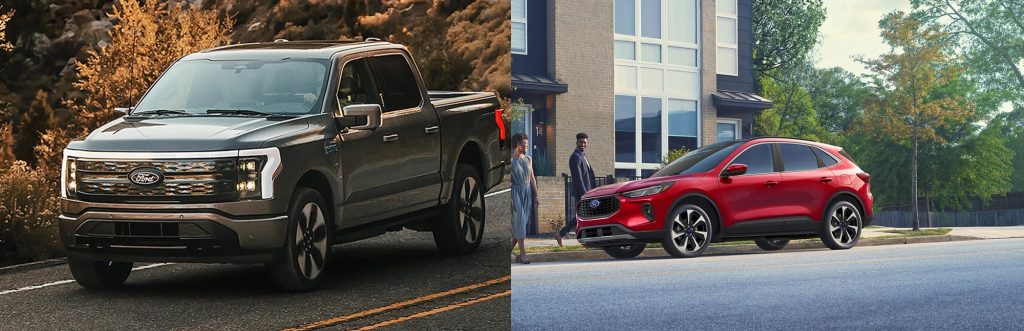
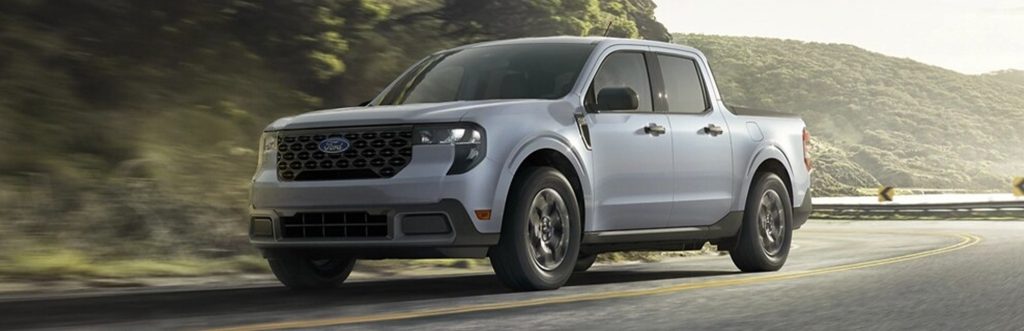
When hybrid technology first rolled into American driveways two decades ago, plenty of skeptics predicted a future of complicated repairs and sky-high service bills. Today, those comments still echo around internet comment sections, yet the data pouring in from real-world owners tells a very different story. At Portsmouth Ford, we service hundreds of electrified Ford F-150s, Ford Mavericks, Ford Escapes, and other Ford hybrids every year, and the verdict is clear: hybrid vehicle maintenance is simpler, less frequent, and often cheaper than the maintenance schedules most drivers grew up with. This article will explain why that’s true, answer the most common questions we hear in our service lane, and show you how an electrified powertrain can help you spend more time on the road and less time dealing with hybrid vehicle maintenance. Visit us today in Portsmouth, NH!
Why Fewer Moving Parts Matter
Modern Ford hybrids pair an efficient gasoline engine with one or two electric motors, a lithium-ion battery pack, and a power-splitting transmission. The electric side of the system replaces several traditional components, including the alternator, starter motor, and sometimes even the accessory belts, reducing the number of items under the hood. Fewer moving parts translate directly to fewer failure points. That alone lowers the cost of hybrid vehicle maintenance, but the benefits don’t stop there.
During city driving, a hybrid spends a surprising amount of time in electric-only mode. Whenever the gasoline engine is off, it doesn’t burn oil, generate heat, or spin interval components, meaning longer intervals between oil changes and reduced stress on the cooling system. Meanwhile, regenerative braking captures kinetic energy to recharge the battery, so the conventional brake pads and rotors handle far less friction than a gasoline vehicle, resulting in less wear on the brakes and reduced hybrid vehicle maintenance. Many hybrid owners reach 70,000 miles before they need their first brake job, saving hundreds of dollars compared with a traditional car that chews through brake pads every 30,000 to 40,000 miles.
Do Hybrid Cars Require More Maintenance?
Routine visits are usually shorter and cheaper than full gasoline models for hybrid cars, leading to lower maintenance costs overall. While the norm may be to get an oil change every 5,000 miles, oil changes may come every 10,000 miles on most Ford hybrids. Spark plugs also last longer because the engine spends so much time idling at zero RPM. The high-voltage battery pack remains maintenance-free for most of the vehicle’s life, only needing replacement after several years of use.
What Kind of Maintenance Does A Hybrid Car Need?
So, what kind of hybrid vehicle maintenance is needed if it skips so many of the typical service items? While hybrids aren’t completely maintenance-free, their regular maintenance requirements are lighter and less frequent. Routine maintenance still includes tire rotations, cabin air filter replacements, brake fluid checks, and suspension inspections. However, there are several things you won’t need to worry about for a long time, if ever. Transmission fluid changes are rare, belts and hoses tend to last longer, and the absence of a starter and alternator means fewer components can fail. On top of that, Ford’s hybrid systems are smart: the vehicles will alert you when it’s time for service, and many models support over-the-air software updates, keeping your hybrid running at peak efficiency with minimal effort or hybrid vehicle maintenance on your part.
Are Hybrids More Expensive To Maintain?
Another common concern is costs. People often ask us whether it’s more expensive for hybrid vehicle maintenance, and it’s easy to assume that newer technology equals higher service bills. However, the maintenance cost of hybrid cars is often lower than their gasoline-only counterparts. You would spend less on a Ford Escape Hybrid in the first few years than on the gasoline model, and over the lifetime of both vehicles, that difference grows even more. Factor in fuel savings, and you’re looking at hundreds – sometimes thousands – of dollars back in your pocket.
The only major cost concern some people have is battery replacement. Yet, that’s mostly a holdover from the early days of hybrid technology. Modern Ford hybrid batteries are built to last well beyond 150,000 miles, and very few drivers ever need to replace one. When they do, the cost has come down significantly, and many batteries are covered under warranty, which provides added peace of mind.
The Future of Hybrid Maintenance
If you’ve been holding back from switching to a hybrid because you thought it might be more expensive or complicated to maintain, now is the time to let those worries go. In reality, hybrid vehicle maintenance is simpler, cheaper, and far less of a hustle than most people expect. Modern Ford hybrids are built to last, require fewer service trips, and come with strong warranties for peace of mind. Stop by Portsmouth Ford to explore our lineup of hybrid trucks and SUVs, or schedule your next service with our expert team. We’ll show you just how easy and affordable hybrid ownership can be. Visit us today in Portsmouth, NH!
Connect with us


Recent Blog Entries
- Ford Super Duty Dually Guide: F-350, F-450, F-550, F-650 & F-750 Explained
- Ford Chassis Cab Buyer’s Guide: Which Model Is Right For Your Business?
- Ford F-250 vs. F-350: What’s the Difference and Which Truck Is Right for You?
- Ford F-450 Vs. F-550: Specs, Payload, And Key Differences
- Ford F-650 Vs. F-750: Which Medium-Duty Truck Is Right For Your Job?