

Are New Cars Safer? Why You Should Buy New

Modern Vehicle Safety For Shoppers
When drivers visit Portsmouth Ford in Portsmouth, NH, they often arrive with one big question in mind: are new cars safer than the vehicles they already own? That concern usually starts with a comparison of old-car vs. new-car safety and quickly expands into a broader look at car safety as a whole. Anyone who has spent years driving an older vehicle has felt that moment of doubt in traffic, wondering whether newer cars would handle a sudden stop or near miss more confidently. It’s only normal to ask “Are new cars safer?” when family, commute time, and changing driving conditions are all on the line.
Over the last few decades, car manufacturers have transformed automotive safety through smarter vehicle design, updated safety standards, and continuous safety improvements. Agencies such as the National Highway Traffic Safety Administration and the Insurance Institute for Highway Safety collect large amounts of crash-test data, run detailed crash tests, and track driver crash rates and fatality rate trends to see whether new cars are getting safer. Their findings show that new, safer vehicles can reduce fatal crashes and serious injuries among car occupants and other road users. That evidence matters when you are standing in the showroom at Portsmouth Ford in Portsmouth, NH, and quietly wondering whether to upgrade to a new car.
How Modern Vehicle Design Protects You
One of the biggest changes you will notice when comparing older cars with modern cars is how crash forces are managed. Today’s new vehicles are built around carefully engineered crumple zones that absorb impact and redirect energy away from the passenger compartment. These areas are designed to deform in a controlled way, helping to keep the cabin more stable and lowering crash risk in many types of car accidents. For motorists who have always relied on older models, it is reassuring to see how much work has gone into answering the question of whether new cars are safer in real-world collisions.
Inside the cabin, newer vehicles use high-strength steel, smart vehicle design, and well-placed reinforcements in the roof, floor, and doors. The steering column and steering wheel are designed to move or collapse in specific ways, while side curtain airbags deploy to help shield heads in side impacts and rollovers. Combined with three-point seat belts, anti-lock brakes, and electronic stability control, these safety systems are all focused on keeping car occupants away from the most dangerous forces. Even a midsize car or small SUV can offer impressive crash safety when engineers prioritize both highway safety and overall road safety. For many shoppers at Portsmouth Ford in Portsmouth, NH, this structure-focused view goes a long way toward answering whether new cars are safer than what they parked at home.
Crash Testing, Data, and Safety Standards
The structural changes you see in the showroom are shaped by what researchers see during crash testing. Organizations like the National Highway Traffic Safety Administration and the Insurance Institute for Highway Safety run a wide variety of crash tests, from frontal and side impacts to rollovers and specialized test procedures at high speed. These evaluations help determine how each passenger vehicle protects car occupants and how different vehicle classes stack up on traffic and highway safety charts. When engineers review this data and redesign models for a new model year, they are responding directly to the ongoing question of whether new cars are safer according to the numbers.
In addition, insurance companies and regulators use this information to reward safer vehicles and encourage ongoing safety improvements. They look closely at driver death rates, fatal crashes, and how older vehicles compare with newer vehicles when impacts occur at real-world speed limit ranges. Results can vary depending on vehicle choice and design, and whether a model is a large SUV, pickup truck, small car, or other large vehicle. Heavier vehicles sometimes perform differently in certain crashes because of curb weight, which is why comparing cars for safety means looking beyond age and focusing on design. As you explore inventory at Portsmouth Ford in Portsmouth, NH, we can help you explore whether new cars are safer for the specific kind of driving you do.
Modern Safety Systems and Crash Avoidance Technologies
Beyond strong structures, new cars shine in the advanced safety systems they offer. Features such as Forward Collision Warning and Automatic Emergency Braking can help you react more quickly when traffic slows suddenly. Many modern cars blend these tools into broader crash avoidance technologies that support crash prevention rather than just crash response. For drivers who remember their first car having little more than seat belts and basic brakes, the leap in capability makes it very reasonable to ask whether new cars are safer in the moments that matter most.
Electronic Stability Control and anti-lock brakes help maintain control in sudden maneuvers, while Lane Departure Warning, Lane Keep Assist, and Blind Spot Warning assist with lane changes and longer trips. Adaptive Cruise Control automatically adjusts speed to follow traffic more smoothly within the speed limit, easing fatigue on the highway and supporting highway safety for everyone. These systems are not limited to luxury cars anymore; many mainstream models include them as standard or widely available equipment. When you experience these technologies on a test drive at Portsmouth Ford in Portsmouth, NH, you may find your answer to whether new cars are safer, shifting as the vehicle quietly helps manage tricky driving conditions.
Everyday Driving Experience and Visibility
Modern vehicles also support safety by helping you stay focused. Clean dashboard layouts, intuitive controls, and clear digital displays keep your attention on the road instead of buried in menus. Voice commands allow you to adjust settings without taking your hands off the steering wheel, while thoughtful cabin design makes it easier to monitor mirrors and surroundings. Compared with older cars and older vehicles that were never designed around distraction concerns, many shoppers feel more confident answering whether new cars are safer once they have spent time in a modern cabin.
Low-speed situations matter too. A crowded parking lot or tight driveway can hide pedestrians, pets, and obstacles in blind spots. Cameras, parking sensors, and other parking aids improve pedestrian safety and reduce the risk of minor bumps or fender benders. These tools are especially helpful in larger vehicles and heavier vehicles, where visibility can be more challenging. As these technologies quietly prevent incidents day after day, they offer practical evidence that proves to drivers that new cars are safer, not just theoretically, but something they can experience routinely.
Balancing Size, Segment, and Safety Priorities
Choosing the right vehicle means balancing safety with everyday needs like space, style, and fuel efficiency. Some drivers feel most comfortable in a large SUV or pickup truck, while others prefer the agility and fuel economy of a small SUV or a compact passenger vehicle. The good news is that strong automotive safety is available across many segments, as long as you pay attention to crash test ratings, crash tests, and available safety systems, rather than focusing only on looks. Working with the team at Portsmouth Ford in Portsmouth, NH, gives you a chance to review the data and ask whether new cars are safer for your family, even if you move to a different size or body style.
See Today’s Safety Advances
The most convincing way is to see and feel the differences in person. At Portsmouth Ford in Portsmouth, NH, you can explore new vehicles alongside carefully selected older pre-owned vehicles. Staff can walk you through safety standards, explain how specific safety systems work, and show you how features like Forward Collision Warning, Adaptive Cruise Control, Lane Departure Warning, Lane Keep Assist, and Blind Spot Warning work together. Once you watch these tools in action, it becomes easier to decide for yourself whether new cars are safer for your daily routes.
You can also review safety labels, ask about recent crash tests, and learn how car manufacturers respond to each new IIHS test and regulatory change. Whether you are comparing small SUVs, a midsize car, a family-focused large SUV, or a capable pickup truck, the team can outline how each model’s safety systems and safety standards support road and traffic safety in and around Portsmouth, NH.
Visit Portsmouth Ford in Portsmouth, NH, to Explore Safer Vehicles
When you are ready to move from research to real-world experience, visit Portsmouth Ford in Portsmouth, NH, and take a closer look at today’s safer vehicles. Sit behind the steering wheel, explore the dashboard, and imagine how each passenger vehicle will feel in your driveway and on your favorite routes. With guidance on crash testing results, crash avoidance technologies, and the latest in automotive safety, you can build confidence that your next vehicle choice supports both performance and protection. By the time you finish comparing options, you should have a clear, personal answer to the question that started your search for whether new cars are safer for you, your passengers, and your life in Portsmouth, NH.

Finding the Best Option for Your Budget
When it comes to deciding on your next vehicle, understanding new vs. used car prices can make or break your budget. As car prices trend up and down with shifts in the auto market, it becomes even more important to compare car prices carefully instead of rushing into a decision. Whether you’re considering a new Ford with advanced technology or a reliable used vehicle, making an informed decision is crucial.
New car prices are often higher due to their cutting-edge safety features and advanced amenities, while used cars come with lower prices and reduced depreciation rates. By understanding vehicle prices, financing options, and insurance costs, car buyers can work with Portsmouth Ford to navigate the complexities of the car market and secure the best deal for their next car purchase. Comparing new vs. used car prices also helps you decide whether a newer model or an older one gives you more value over time. Visit us today in Portsmouth, NH!
Breaking Down the Sticker Price
New car prices vs. used are typically higher because they include the latest advanced technology, modern design, and cutting-edge safety features. Vehicle manufacturers like Ford invest heavily in research and development to equip new cars with features like Adaptive Cruise Control, Lane-Keeping Assistance, and infotainment systems, which can drive up the sticker price. For car buyers, these features often translate to enhanced driving comfort, better car safety, and a safer road experience that many car shoppers are willing to pay for when they compare new vs. used car prices.
Additionally, new vehicles come with full factory warranties, which can significantly reduce repair costs during the early years of ownership. This warranty coverage gives car shoppers peace of mind, knowing they won’t face unexpected car repair expenses soon after purchasing. Ford and Portsmouth Ford also frequently offer financing deals with lower interest rates, which can make the car payment and overall monthly payment on a new car more manageable for qualified buyers. Some promotions may feature special auto loan interest rates that keep financing costs in check, especially for shoppers with a strong credit score.

The Role of Depreciation and Resale Value
One of the most significant factors affecting new vs. used car prices is depreciation. A new car begins to lose value the moment it is driven off the lot, with the depreciation rate being highest during the first year. This means the transaction price for the same car will drop sharply if it becomes a used vehicle, making its resale value much lower in the short term. Over time, this depreciation directly impacts car values and the car pricing you see in guides and online listings.
However, after this initial steep decline, the depreciation rate tends to stabilize, and vehicle prices start to level out. For car buyers considering their next car, it’s important to weigh the benefits of owning a new vehicle against this rapid loss in value. While new cars offer predictable costs, advanced technology, and strong car safety features, the lower resale value and high initial investment might not align with every budget. Looking at new vs. used car prices side by side can be a powerful piece of car advice, showing you how much value you may lose or retain over time based on your buying choices.
Why Used Cars May Be a Smarter Financial Choice: Lower Prices and Total Cost of Ownership
For those focused on budget-friendly buying choices, a used vs. a new car price often presents a more affordable option. Used vehicles generally come with significantly lower sticker prices compared to a new vehicle, offering car buyers better upfront value. This lower entry cost can reduce the total cost of ownership, especially when factoring in smaller loan amounts and reduced monthly payments. In many cases, the loan terms on a used car will still result in a manageable car payment, even if the interest rate is slightly higher.
Furthermore, a used car’s depreciation has already occurred, meaning its resale value won’t drop as sharply as a new vehicle’s. This can be advantageous for buyers looking for a car that holds its value better over time and who are watching the used car market trend closely. When comparing new vs. used car prices during a road test or a visit to the showroom, many shoppers find that a well-maintained used car delivers the practicality they need without stretching their budget.
Factors to Check Before Buying
While used cars can be a great financial choice, car shoppers need to perform due diligence before making a purchase. Start by reviewing the car’s history report to check for past repairs, accidents, or other potential red flags. This step is crucial for understanding the reliability and overall condition of the used vehicle and can help you anticipate future car repair needs, factoring in everything for new vs. used car prices.
Using trusted value tools like Kelley Blue Book can help ensure you’re getting fair car pricing and avoid overpaying. Additionally, inspect the vehicle’s mileage, trade-in value, and physical condition to gauge its long-term reliability. Paying attention to these details can help you secure the best deal while minimizing future repair costs. When you weigh new vs. used car prices using resources like car value guides and online listings, you gain clarity on whether the vehicle is priced appropriately for its age, condition, and local car inventory.
How Financing and Insurance Costs Differ: Loan Terms and Auto Loan Rates
When comparing new vs. used car prices, financing options often play a significant role in the decision-making process. New cars are more likely to qualify for special financing rates or incentives from automakers and dealerships, resulting in lower interest rates and potentially reduced monthly payments. However, the loan amount for a new car will typically be higher due to its higher price, which can raise the total financing costs over the life of the loan.
In contrast, used cars usually come with higher auto loan interest rates, as lenders view them as a riskier investment. That said, the smaller loan amounts associated with used vehicles can offset the impact of higher financing rates, making them more affordable for many buyers. This is especially true when you compare new vs. used car prices and see how much less principal you are financing on a used option. Carefully reviewing loan terms, auto loan rates, and your credit score can help you decide which option fits your budget best and keeps your next car from becoming a financial burden.
Insurance Costs and Premiums
Auto insurance premiums can vary significantly between new vs. used car prices. For new cars, insurance rates are often higher because the replacement cost is greater. Advanced technology and safety features in new vehicles can also contribute to higher premiums, as repairing or replacing these components can be expensive. Car insurance companies factor in everything from vehicle production costs to average car repair bills and safety ratings when they set their prices.
Used cars, on the other hand, typically come with lower insurance premiums. This is largely due to their reduced value and lower repair costs. Car insurance companies consider these factors when calculating premiums, making used vehicles more cost-effective to insure. However, car buyers should always compare insurance quotes to ensure they’re getting the best deal. Monitoring insurance rates and ongoing insurance premiums is just as important as reviewing price changes in the showroom. When you compare new vs. used car prices alongside coverage options, you’ll see how auto insurance and ownership costs combine to affect your overall budget.
How to Compare New and Used Cars Effectively: Evaluating Vehicle Prices and Ownership Costs
When deciding between a new or used vehicle, it’s essential to evaluate all aspects of vehicle prices and ownership costs. Start by considering your budget and determining how much you can afford in terms of monthly payment when it comes to new vs. used car prices. Factor in financing costs, loan terms, and potential auto loan interest rates, as these will directly impact your total expenses and car payment over time.
Beyond the purchase price, account for additional costs such as repair costs, insurance rates, dealer fees, and even how you plan to pay, whether you’ll use cash, an auto loan, or a credit card for part of the transaction price. Also, consider the car’s safety features and how they contribute to long-term value and car safety for your family. Balancing these elements, while keeping an eye on the broader car prices trend and auto market conditions, will help you make a more informed decision about your next car. As you compare new vs. used car prices, remember to factor in resale value and how long you plan to keep the vehicle.
Timing Your Purchase
Timing is another critical aspect of comparing new and used cars. The best time to buy a used car often aligns with favorable market trends, such as when car inventory is high or during end-of-year car sales events. Monitoring the auto market for fluctuations can also help you secure a better deal on new vs. used car prices.
For new cars, pay attention to financing incentives and seasonal promotions offered by automakers and dealerships like Portsmouth Ford. Staying informed about price changes, vehicle production trends, and overall vehicle sales can help you choose the right time to make your purchase and maximize savings. When you track new vs. used car prices over several months, you’ll see how the used car market trend and overall auto market conditions affect both sticker prices and the available financing options.
Choosing Your Next Car: New or Used?
Exploring new vs. used car prices ultimately depends on your budget, priorities, and lifestyle needs. If you value advanced technology, cutting-edge safety features, and predictable costs, a new car might be the right choice for you. New Fords also come with full factory warranties and, often, lower interest rates, offering peace of mind and convenience. For some buyers, the appeal of a newer model with the latest connectivity and driver-assist systems makes the higher upfront cost worthwhile, especially when they want the best car safety features.
However, if you’re looking for better upfront value and lower prices, exploring the used car market can be a smarter financial move. Used vehicles come with lower sticker prices, reduced depreciation rates, and often lower insurance premiums, making them ideal for car buyers focused on minimizing costs. Carefully reviewing the car’s history, mileage, and trade-in value can help ensure you’re purchasing a reliable vehicle that fits your values and long-term goals. As you weigh new vs. used car prices and look at different financing options, remember that both paths can lead to a smart purchase if you align them with your budget and priorities.
Portsmouth Ford Is Here To Help
Whether you choose to focus on the price of a new vs. used car when shopping at Portsmouth Ford, it’s essential to evaluate all aspects of ownership, including monthly payments, financing deals, financing rates, and repair costs. Consider how your choice affects long-term expenses like auto insurance, car repair, and everyday operating costs. Timing your purchase based on car market trends, car sales events, and shifting car inventory levels can also help you secure the best deal. By balancing your financial goals with your driving needs, using reliable car advice sources, and keeping a close eye on new vs. used car prices, you can confidently select the next car that fits your budget and lifestyle. Visit us today in Portsmouth, NH!
Is It Cheaper To Insure A New Car Or A Used Car?

Costs, Coverage, and Savings
Choosing between new vs. used car insurance is an important decision for drivers looking to balance costs and coverage. Whether you’re insuring a new Ford or an older vehicle, understanding the factors that influence car insurance costs can help you make an informed decision. Comparing coverage requirements, premiums, and savings opportunities for newer cars and used vehicles ensures that you get the right protection and Ford for your needs. In this guide, Portsmouth Ford will help you explore the key differences in car insurance for new vs. used cars, from coverage levels to cost-saving strategies. By evaluating factors like vehicle age, driving history, and the car’s value, you can select the best option that offers peace of mind and fits your budget. Visit us today in Portsmouth, NH!
How Much Does It Cost To Insure A New Car?
The cost of new vs. used car insurance varies significantly due to factors like vehicle age, repair costs, and coverage requirements. Newer Ford vehicles generally have a higher value, which means they require higher coverage levels, leading to higher car insurance costs. These vehicles often come equipped with advanced safety features such as Automatic Emergency Braking, which can lead to higher repair costs in the event of a collision, even though they might reduce the likelihood of accidents.
On the other hand, older vehicles tend to have lower insurance premiums because their car’s value has depreciated over time. However, they may be more prone to theft, especially if they lack modern car safety technology. This increased theft risk can negatively affect car insurance premiums and change how you compare new vs. used car insurance overall. Additionally, financed newer vehicles often have stricter coverage requirements, such as comprehensive and collision coverage, to protect the lender’s investment. In contrast, older cars without loans may allow drivers to opt for liability insurance only, which offers a lower-cost option.
Driving habits and the likelihood of accidents also play an important role in determining the cost of insurance rates for both newer and older cars. Drivers with a clean driving record have the advantage of being safer and may qualify for lower premiums. Conversely, poor driving habits or a history of accidents can increase auto insurance rates regardless of the car’s age. Keeping these factors in mind is essential when making decisions on the pros and cons of new vs. used car insurance.
How Credit Score and Driving History Affect Rates
Your credit score and driving history are significant factors that influence auto insurance rates, whether you’re insuring a new car or an older vehicle. When comparing new vs. used car insurance, it is important to remember that a good credit history demonstrates financial responsibility, which can help you secure lower insurance premiums. Auto insurance companies often view individuals with strong credit scores as more responsible and thus less likely to file claims, making them eligible for discounts.
Similarly, maintaining a clean driving record can lead to lower rates. Good drivers with no history of accidents or traffic violations are rewarded with lower premiums as they represent a reduced risk to insurers. On the other hand, even if you own an older vehicle, a poor driving history may negate the potential savings associated with its lower value. Thus, both credit score and driving history are key considerations when comparing insurance options for newer vehicles and older cars, particularly when deciding which new vs. used car insurance plan best suits your budget and needs.
Coverage Options for Newer Cars vs. Older Vehicles: Are New Cars Cheaper To Insure?
Newer Cars: Coverage Considerations
When insuring newer cars, comprehensive and collision coverage are often required, especially if the vehicle is financed through an auto loan. These coverage types protect against a range of risks, including damage from accidents, theft, or natural disasters. For drivers evaluating new vs. used car insurance, comprehensive and collision coverage are usually more relevant to newer vehicles because of their higher value.
Another important consideration for newer vehicles is gap insurance, which can be invaluable during the first year of ownership. Gap insurance provides coverage over the difference between the car’s value and the remaining balance on the auto loan in the event of a total loss, ensuring that you are not left with out-of-pocket expenses. Newer cars often feature advanced safety technology and driver-assistance systems, which can potentially lower insurance costs. However, repair costs for these technologies can increase car insurance premiums if they are damaged.
Additionally, vehicles with strong safety ratings may qualify for further insurance discounts, as they are considered less risky to insure. If you’re purchasing a newer vehicle, consider how its car manufacturer and safety features may influence your coverage requirements and costs, especially when deciding which new vs. used car insurance option provides the best overall value.
Older Vehicles: Coverage Considerations
Insuring an older vehicle often involves different considerations than insuring a newer car. Liability coverage is typically the most important type of insurance for older cars, as it makes sure you meet legal requirements and provides financial protection in case of accidents where you’re at fault. For vehicles with lower value, dropping collision coverage might be a practical decision to reduce insurance costs, especially if the repair costs would exceed the car’s value.
Even for older vehicles, car safety ratings and overall condition can still influence car insurance premiums. Some older cars may have features that qualify for insurance savings, such as anti-theft devices. However, older vehicles without modern safety technology might face higher premiums due to increased risks. When you are comparing new vs. used car insurance, drivers of older cars should evaluate whether additional coverage, like comprehensive insurance, is worth the extra expense or if liability-only coverage offers the best balance of cost and protection.
Full Coverage vs. Liability Insurance: Making the Best Choice
Deciding between full coverage and liability insurance depends on the value of a vehicle, its repair costs, and your financial situation. Full coverage insurance provides liability, comprehensive, and collision coverage, offering maximum protection against a wide range of risks. This type of coverage is often the best option for newer cars or high-value vehicles, as it provides peace of mind in the event of accidents, theft, or natural disasters. When you are comparing new vs. used car insurance, full coverage frequently becomes part of the conversation for higher-value or newer vehicles.
However, the higher premiums associated with full coverage might not be financially practical for everyone. Liability-only insurance, on the other hand, is a more affordable option, particularly for older cars with less value. It covers the costs of damages or injuries caused by you to others, but does not cover your own vehicle. For an older vehicle with minimal value, opting for liability insurance can result in significant savings on car insurance premiums.
However, it’s essential to consider the potential out-of-pocket costs if your vehicle is damaged or totaled. When determining the type of coverage to choose, consider factors like the car’s age, car price, and replacement costs. For example, if you drive an older vehicle that would cost more to repair than replace, liability-only insurance might be sufficient. On the other hand, if you own a newer car or one with higher repair costs, full coverage might be the better choice to ensure adequate protection. Understanding these trade-offs is crucial to choosing the right new vs. used car insurance solution for your lifestyle and budget.
How to Save on Car Insurance Premiums: Smart Savings Strategies
Saving on car insurance premiums requires careful planning and consideration of various strategies. One effective way to lower your monthly payments is by increasing your deductibles. While this means you’ll pay more out-of-pocket in the event of a claim, it can significantly reduce your monthly insurance costs if you’re a safe driver and unlikely to file frequent claims. This savings approach can apply to both new and used vehicles and should be weighed alongside your choice of new vs. used car insurance.
Bundling policies, such as combining your car insurance with home insurance, is another great way to unlock insurance discounts from many auto insurance companies. Telematics programs, which monitor your driving habits using a mobile app or device, can reward safe driving behavior with lower premiums. Good drivers who avoid speeding, hard braking, and excessive mileage may qualify for significant savings through these programs.
Additionally, it’s a good practice to compare car insurance quotes annually. Shopping around ensures you’re getting the best rates from the best car insurance companies and helps you take advantage of new offers or discounts. Maintaining a clean driving record and a good credit score is also essential for keeping car insurance costs low. Insurers view drivers with a clean record and strong credit history as lower-risk, which can result in lower premiums. If you’ve improved your credit score or driving habits recently, inform your insurer or shop for new quotes to potentially secure better rates on your new vs. used car insurance options.
Additional Savings Tips
Another way to save on car insurance is to pay your monthly premiums in full up front, as some insurers offer discounts for customers who pay annually instead of monthly. When shopping for vehicles, consider those with advanced safety technology and strong safety ratings. Cars equipped with features like Automatic Emergency Braking, Lane-Keeping Assist, and anti-theft devices not only provide peace of mind but also qualify for insurance savings from many providers. These considerations can influence your overall new vs. used car insurance comparison and long-term ownership costs.
Roadside assistance, often included in comprehensive insurance policies, is another benefit to consider. While it may add a small cost to your premium, it can save you significant expenses in emergencies like breakdowns or flat tires. Additionally, vehicles with a manufacturer’s warranty may lower your overall maintenance costs, making them more appealing from both a financial and insurance perspective. Always review your coverage selection carefully to ensure it aligns with your budget and protection needs, paying close attention to how different new vs. used car insurance choices affect your total expenses.
Find the Right Balance For You
Newer cars often come with higher premiums due to their advanced safety features, higher value, and stricter coverage requirements. However, they may offer lower long-term repair and maintenance costs, as well as insurance savings from features like Automatic Emergency Braking. Older vehicles, while offering lower insurance costs, may carry risks such as higher theft rates and increased repair expenses. Evaluating the car’s age and value, as well as your driving habits, is essential to finding the best car insurance policy for your needs and deciding which new vs. used car insurance structure makes the most sense.
Ultimately, the decision between new vs. used car insurance comes down to your financial situation, vehicle type, and coverage requirements. Whether you choose a new car or an older vehicle when shopping at Portsmouth Ford, comparing coverage options and car insurance quotes from the best car insurance companies will help you secure the most suitable policy. By making an informed decision about new vs. used car insurance, you can enjoy lower premiums, peace of mind, and the right level of protection for your vehicle. Visit us today in Portsmouth, NH!
Ready Set Ford

A New Era for the Blue Oval
Ford Motor Company is entering a bold new chapter, and Portsmouth Ford is excited to share what it means for our customers. The new global advertising platform, Ready Set Ford, is more than just a fresh look—it’s a strategic shift designed to connect with drivers in new and inspiring ways.
What is “Ready Set Ford”?
“Ready Set Ford” is Ford’s new advertising platform, built on the foundation of capability, passion, community, and trust. It’s designed to celebrate not only what Ford vehicles can do, but what they empower you to do.
This rebrand focuses on three key shifts:
- Highlighting Our Strengths – Ford’s legacy of strength, innovation, and trust remains front and center.
- Empowering Customers – The campaign celebrates the lifestyles Ford enables: building businesses, chasing thrills, and seeking adventure.
- Leading With What You Love – Expect more focus on the Ford vehicles and services that customers are most passionate about, from trucks to SUVs to performance icons.
Why It Matters
At its heart, Ready Set Ford is about you—the driver. Whether you’re pushing limits with a Ford Bronco, building your business with a Ford F-150, or heading out for family adventures in a Ford Explorer, this rebrand is about helping you live your best days behind the wheel.

Visit Portsmouth Ford
As your local Ford partner, Portsmouth Ford is proud to bring this new era to life. Stop by our showroom to see the latest Ford lineup and experience firsthand how Ready Set Ford is shaping the future of driving.
Ready. Set. Ford.
How Much Does A Hybrid Save On Gas?

Saving Money With Every Mile
With fuel prices fluctuating and more drivers looking for eco-conscious alternatives, hybrids present an appealing middle ground between traditional gas-powered cars and full electric vehicles. The question most drivers want answered is straightforward: How much does a hybrid save on gas? At Portsmouth Ford, we work with customers daily who weigh the benefits of hybrid ownership, and fuel savings is always one of the first topics to come up. So let’s break it down clearly, practically, and based on what today’s drivers can expect. Visit us today in Portsmouth, NH!
Understanding Hybrid Fuel Economy vs. Traditional Gas Vehicles
Before we get into exactly how much a hybrid saves on gas, it’s essential to understand what makes hybrid vehicles more fuel efficient. At lower speeds or in stop-and-go traffic, many hybrids rely more on electric power, which burns no fuel at all. When extra power is needed, or when driving at highway speeds, the gas engine kicks in to assist. This balance helps hybrids achieve significantly better fuel economy in city driving and competitive efficiency on the highway.
Traditional gas vehicles, by contrast, rely solely on an internal combustion engine. Every mile traveled is powered by gasoline alone, which means more fuel is consumed and more trips to the gas station. When looking at hybrid vehicle fuel economy compared to traditional cars, the difference is most noticeable in urban driving conditions. Some hybrids can double the miles per gallon (MPG) ratings of their gas-only counterparts during city commutes.
Hybrid Fuel Savings
How much a hybrid saves on gas varies depending on the model, driving habits, and gas prices, but averages provide a reliable picture. Hybrid cars are a cost-effective and affordable way to save money on fuel costs, making them an attractive option for budget-conscious drivers.
For example, a typical compact sedan might get 30 MPG, while its hybrid version could achieve 50 MPG or more. If a driver covers 15,000 miles annually, the traditional sedan would use 500 gallons of gas, while the hybrid might only use 300. This difference in annual fuel use leads to substantial savings for many drivers over time, as reduced trips to the gas pump add up. While the upfront cost of a hybrid may be higher than a conventional car, the long-term investment in owning a hybrid can pay off through lower fuel costs, reduced maintenance, and overall cost-effective ownership. In this way, fuel savings for hybrids vs. gas models creates a real-world difference that can impact your budget every month.
The Role of Driving Habits and Environment
It’s also important to consider how driving habits influence how much a hybrid saves on gas. Hybrid systems perform best in environments where the electric motor can frequently operate independently. City traffic, slower speeds, and frequent braking (which helps recharge the battery via regenerative braking) play to a hybrid’s strengths. If your commute involves mainly highway driving at steady speeds, the fuel savings may still be notable, but not quite as dramatic. Still, the overall efficiency of hybrid technology ensures you’re using less fuel than you would in a traditional gasoline vehicle under almost any conditions.
What Is the Most Fuel-Efficient Hybrid?
If you’re shopping for a hybrid, you might wonder which models offer the highest possible MPG. While efficiency varies, some of the most fuel-efficient hybrid vehicles on the market today regularly achieve more than 50 MPG, and certain plug-in hybrid models can drive short distances on electricity alone before switching to gas. At Portsmouth Ford, we’re proud to offer several hybrids in our lineup that balance efficiency, comfort, and performance with how much a hybrid saves on gas. The Ford Maverick Hybrid, for example, delivers impressive fuel economy without sacrificing utility. For SUV buyers, the Ford Escape Hybrid and Ford Escape Plug-In Hybrid are standout options that deliver excellent MPG with all the space and versatility of a compact SUV.
The Bigger Picture: Total Ownership Costs
When considering how much a hybrid saves on gas, it’s also helpful to zoom out and look at total ownership costs. Owning a hybrid car is a smart investment, as it can lead to significant savings on fuel and maintenance over time. In addition to fuel savings, hybrid vehicles may offer lower maintenance costs. Since hybrid engines share the workload with electric motors, they experience less wear over time. And thanks to regenerative braking systems, brake pads also last longer. Plus, hybrid buyers may qualify for incentives, tax credits, or HOV lane access depending on the state. These incentives can provide potential tax savings that help offset the upfront cost of a hybrid, making them more affordable and cost-effective for many drivers.
Real-World Fuel Savings You Can Count On
While the exact number depends on several factors, most drivers can expect to save hundreds if not thousands of dollars over the life of their hybrid vehicle. How much a hybrid saves on gas comes from higher MPG ratings, reduced idle fuel consumption, and more efficient city driving performance. For those comparing fuel savings with hybrid vs. gas, hybrids deliver real, measurable benefits that make a difference every time you fill up. At Portsmouth Ford, we invite you to come see the difference for yourself. Explore our Ford hybrid inventory, take a test drive, and learn how much you could save by making the switch. Fuel economy is your time, your money, and your future on the road. Let us help you make the most of it. Visit us today in Portsmouth, NH!

What Is The Longevity of a Ford Hybrid Battery?
At Portsmouth Ford, we know that when drivers consider a hybrid vehicle, they first want to understand how the battery system performs, not just in the short term, but over the vehicle’s life. As hybrid and electric technologies evolve, battery longevity, warranty coverage, and replacement costs are critical factors in making an informed decision. So, how do Ford hybrid batteries measure up against the competition? How long do Ford hybrid batteries last? The answer lies in innovative engineering, strong warranty support, and proven real-world performance. Visit us today in Portsmouth, NH!
Ford Leads In Hybrid Innovation
Hybrid and electric vehicles are rapidly gaining traction among drivers who value both environmental responsibility and cost savings. These innovative vehicles combine advanced technology, such as high-voltage batteries and electric motors, to deliver impressive performance and extended longevity compared to traditional gasoline-powered cars. Ford stands at the forefront of this movement, offering a diverse lineup of hybrid and electric vehicles designed to meet a variety of driving needs. Let’s explore how long Ford hybrid batteries last and how they compare to the competition.
Are Hybrid Batteries Built To Last?
A common question we hear from prospective buyers is: How long do Ford hybrid batteries last? Ford’s hybrid batteries typically last between 100,000 and 150,000 miles. In many cases, especially with proper maintenance, they exceed those benchmarks. That puts Ford on par with, if not ahead of, most major competitors in the hybrid space.
Consider the Ford Escape Hybrid battery, part of a crossover that has earned widespread praise for reliability, and the battery system is no exception. Similarly, the Ford F-150 Hybrid battery life reflects the high standards required for a full-size pickup. The Ford F-150’s hybrid battery is engineered to handle significant power demands without compromising durability and is built to manage heavy-duty tasks like towing and hauling.
Ford Hybrid Battery Warranty Coverage
Another important factor in evaluating how long Ford hybrid batteries last is warranty coverage. Ford offers a comprehensive Ford Hybrid battery warranty that ensures peace of mind. Standard coverage includes eight years or 100,000 miles, whichever comes first. This coverage applies across Ford’s hybrid lineup, including the Ford Maverick Hybrid battery warranty, which underscores the brand’s commitment to long-term reliability even in its most affordable hybrid models. Whether it’s a Ford Maverick, Escape, or F-150, Ford’s battery warranty offers robust protection that’s competitive with or exceeds what most other automakers provide, and how long Ford hybrid batteries last.
Understanding Ford Hybrid Battery Cost
While hybrid batteries are built to last, eventually they may need to be replaced. Knowing the potential costs involved is essential when it comes to how long Ford hybrid batteries last. The Ford hybrid battery cost is generally in line with the industry average, and Ford’s wide network of parts suppliers helps keep prices from rising unnecessarily. For example, a replacement Ford Escape Hybrid battery typically falls within a few thousand dollars. The Ford F-150 Hybrid battery may cost more, owing to its larger capacity and increased power requirements, but the investment reflects the vehicle’s unique capabilities. At Portsmouth Ford, we provide a full range of battery replacement options, including both new and remanufactured units, to help customers find a solution that fits their needs and budget. We also make a point to clearly explain all costs up front, no hidden fees, no surprises.
Performance and Versatility in Real-World Conditions
Technical specifications are one thing, but day-to-day reliability is what truly sets how long Ford hybrid batteries last apart. Ford’s hybrid models are designed not only for efficiency but also for consistent performance in a wide range of driving scenarios.
Ford F-150 Hybrid
With features like the available Pro Power Onboard generator system, the hybrid Ford F-150 can supply electricity to tools, tailgate setups, or even household appliances during a power outage. This level of versatility demands a reliable and durable battery, and Ford delivers on both fronts.
Ford Escape Hybrid
The Ford Escape’s hybrid battery plays a critical role in enabling that consistent performance, even after many miles on the road. Drivers often praise its smooth transition between electric and gasoline modes, strong fuel economy, and dependable power delivery.
Ford Maverick Hybrid
A compact truck with exceptional efficiency, the Ford Maverick hybrid routinely achieves over 40 MPG in city driving, making it one of the most fuel-efficient trucks on the market today. Its battery is optimized for urban and suburban use, and backed by the Ford Maverick hybrid battery warranty, it guarantees that owners will get long-term value from their investment.
Ford Hybrid Batteries Deliver Long-Term Confidence
The results clearly indicate how long Ford hybrid batteries last compared to the competition. Ford’s approach is designed with the customer in mind, from advanced battery engineering and generous warranty coverage to real-world durability and manageable replacement costs. At Portsmouth Ford, we believe that choosing a hybrid vehicle shouldn’t involve compromise. Our team is here to help you explore your options, understand your warranty coverage, and make the most of your investment. If you’re considering a hybrid, visit us in Portsmouth, NH, and see why Ford’s lineup offers some of the strongest battery technology available today.

Reduce, Reuse, Regenerate
As hybrid and plug-in hybrid vehicles continue gaining traction as drivers seek more cost-saving ways to enhance their commutes, many drivers are curious about the technologies that make them so efficient. Far more than a technical footnote, Ford regenerative braking is a core feature that helps conserve energy, reduce fuel use, and extend the driving range of your vehicle. At Portsmouth Ford, we’re committed to helping drivers in New Hampshire and beyond understand the advanced technology behind Ford’s hybrid lineup. Whether you’re new to electrified vehicles or already exploring options like the Ford Escape Plug-In Hybrid or Maverick Hybrid, understanding regenerative braking is key to getting the most out of your drive. In this guide, we’ll break down how it works, why it matters, and what it means for your ownership experience. Visit us today in Portsmouth, NH!
What Is Regenerative Braking?
In a traditional gasoline-powered vehicle, when you apply the brakes, the kinetic energy, or the energy from the car’s motion, is converted into heat and dissipated through the brake pads. With Ford regenerative braking, instead of wasting that valuable energy, it captures and stores it for later use. Put simply, regenerative braking converts the kinetic energy of your slowing vehicle into electrical energy. This electricity is then fed back into the vehicle’s battery, helping to extend the driving range of your hybrid or plug-in hybrid vehicle. The process happens automatically each time you release the accelerator or engage the brakes.
How Regenerative Braking Works
Ford’s sophisticated hybrid and plug-in hybrid technologies feature an electric motor that acts as a generator, enhancing efficiency and performance. When you’re driving, the electric motor draws power from the battery to help move the vehicle, and it also serves a dual role by generating electricity during braking. During deceleration, the electric motor resists the rotation of the wheels, which slows the car down, which is what you feel when regenerative braking kicks in. This resistance helps maintain control of the vehicle, especially during city driving and downhill stretches. As the motor generates electricity from this resistance, it converts the kinetic energy from the vehicle’s momentum back into electrical energy, sending that energy back into the battery for future use. This system works in tandem with the conventional braking system to ensure smooth, reliable stopping power when you need it.
The Ford regenerative braking system not only contributes to efficiency but also improves the overall feel of the vehicle, providing a more responsive and controlled braking experience, especially in stop-and-go traffic or city driving. Additionally, as the driver reduces pressure on the throttle, the vehicle begins to capture kinetic energy, converting it back into electrical energy, thereby enhancing the efficiency of the regenerative braking system.
Plug-In Hybrid Regenerative Braking and Efficiency
While all Ford hybrids benefit from Ford regenerative braking, plug-in hybrid systems often take it a step further. Plug-in hybrids, such as the Ford Escape Plug-In Hybrid, feature more substantial battery packs that can be recharged from an external power source. This capability enables them to cover longer distances solely on electric power.
Regenerative braking plays a critical role in maximizing electric driving range. Since plug-in hybrids have a bigger battery to work with, they can capture and store more energy during braking. This energy stored can then be used to extend the amount of time the vehicle operates in all-electric mode, which means more savings on fuel and fewer emissions. Additionally, regenerative braking helps generate electricity during deceleration by converting kinetic energy from the wheels, further enhancing efficiency.
So, how much range does regenerative braking add? While it varies depending on driving conditions, vehicle load, and braking habits, drivers can often see meaningful gains. In urban driving environments with frequent stopping, regenerative braking can recover a lot of the energy, sometimes enough to add several miles of electric range over the course of a single trip. That may not sound like much at first glance, but over weeks and months, it adds up to fewer trips to the pump and lower overall operating costs.
Does Regenerative Braking Use Brake Pads?
Ford regenerative braking relies on the brake pads, but not as often as conventional vehicles. Hybrid cars with regenerative braking still have standard friction brakes with pads and rotors. These are essential for providing the full braking force necessary in emergency situations or when you need to stop quickly. However, during regular driving and gradual slowing, regenerative braking handles a significant portion of the deceleration. The traditional brake pads in Ford hybrids experience much less wear and tear thanks to Ford regenerative braking, which not only extends the life of the braking components but also reduces maintenance costs over time.
The Future of Efficiency
The primary objective of regenerative braking is to efficiently maximize energy efficiency, which is integral to vehicles such as the Ford Maverick Hybrid, Ford Escape Plug-In Hybrid, and Ford Explorer Hybrid, forming a key component in the resulting fuel efficiency and minimization of carbon emissions. Regenerative braking is an innovation that works behind the scenes to quietly contribute to reducing your carbon footprint every time you drive. This system works by recovering energy during deceleration, capturing energy instead of losing it and using it to extend the vehicle’s range.
Come Experience It for Yourself
If you’re curious about hybrid cars with Ford regenerative braking, we invite you to stop by Portsmouth Ford for a closer look. Our expert team is ready to guide you through the ins and outs of Ford’s regenerative braking system, featured in models such as the Ford Escape Hybrid, Ford Maverick Hybrid, and Ford F-150 Hybrid. We invite you to join us for a test drive, where you can experience the benefits of regenerative braking firsthand. Once you experience how seamlessly it operates and how much value it adds to your drive, you’ll understand why we consider it one of the key innovations in modern automotive design. Visit us today in Portsmouth, NH!
Are Hybrid Cars Good In Cold Weather?

Can Hybrids Handle The Cold Weather and Extreme Temperatures?
Hybrid vehicles are an innovation celebrated for their fuel efficiency, reduced emissions, and smooth, quiet operation. For drivers in New Hampshire and across New England, one question lingers every winter: How are hybrid cars in cold weather? At Portsmouth Ford, we’ve worked with customers through icy roads, snowy commutes, and freezing warnings, and we’ve seen firsthand how today’s hybrid technology performs even in the harshest conditions. In this article, we’ll explore how hybrid cars handle in cold weather and how to prepare your vehicle for winter, no matter what the weather throws your way. Visit us today in Portsmouth, NH!
Does Cold Weather Affect Hybrid Cars?: Fuel Economy and Hybrid Batteries
Like any vehicle, hybrids feel the effects of freezing temperatures. Cold weather can lower fuel economy slightly and make batteries take a little longer to warm up, but today’s hybrids are built to acclimate to any weather and operate efficiently. You might notice that the gas engine runs a little bit more often in the winter or that the heater takes a bit longer to kick in, but overall, hybrid cars in cold weather still deliver reliable performance and solid mileage. In comparison, conventional cars experience notable increases in fuel consumption due to engine inefficiencies in winter.
Hybrid cars typically rely more on the gas engine in colder conditions, especially when warming the cabin or defrosting windows. Some hybrids use regenerative braking to help charge the battery, and in extreme cold, this function can be slightly less effective until the battery warms up to its optimal operating temperature. That said, modern hybrid systems, especially those from Ford, are designed to adapt to seasonal changes. Software automatically adjusts how power is delivered based on outside temperature and cabin climate systems, and is engineered to heat efficiently even when relying on battery power. Hybrids are generally more fuel-efficient and produce fewer emissions in cold weather.
Are Hybrid Cars Good in Snow?
Many new hybrids, like the Ford Escape hybrid, come with available all-wheel drive systems that offer reliable traction and handling in snow and slush. All-wheel drive helps maintain control during acceleration and when navigating icy roads. Ford’s hybrid models include traction and stability control systems that adjust automatically to maintain grip on slick roads. Yet, regardless of whether a hybrid is front-wheel drive or all-wheel drive, snow-rated tires make a huge difference. Traction in winter is more about rubber than powertrain.
Hybrid Cars In Winter: What to Expect Day to Day
Owning a hybrid car in cold weather isn’t drastically different from owning a gas vehicle, but there are a few things worth knowing to make the most of it. Since hybrids don’t always run the engine while stopped or idling, the cabin may take slightly longer to heat up, particularly in plug-in hybrid models that prioritize battery use. However, these systems are designed to detect when heat is needed and will run the engine as necessary to keep you warm.
It’s also common to see a temporary drop in fuel economy during cold months, yet this happens with gas vehicles too. It’s slightly more noticeable in hybrids due to battery performance, but efficiency typically improves once the temperature rises or the car is warmed up.
Are Hybrid Cars Good in Cold Weather?
In cold weather, hybrid cars have become an excellent choice, especially with today’s technology. They handle snow well, provide excellent fuel economy even in colder temperatures, and are available with features that make winter driving easier and more comfortable. At Portsmouth Ford, we proudly offer Ford hybrids built for New England. Whether you’re navigating snowy back roads or commuting through freezing rain, there’s a hybrid ready to meet your needs. Visit us today in Portsmouth, NH!

How Do Ford Hybrids Work?
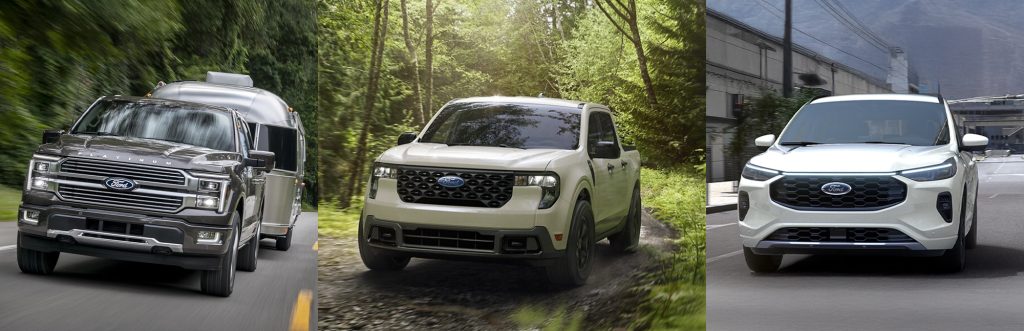
In the last decade, electrification has shifted from niche curiosity to mainstream must-have, and Ford has led that charge with a lineup of hybrids that feel familiar yet deliver remarkable gains in fuel economy, torque, and everyday usability. The Ford Motor Company has been instrumental in developing hybrid technology, particularly with their engineering of the Ford Escape Hybrid, which combines user-friendly features with the functionality and comfort of a regular SUV while also providing better fuel efficiency and reduced emissions. At Portsmouth Ford, we’ve watched customers walk in skeptical about new powertrains and drive out wondering why they didn’t make the switch sooner. This article unpacks Ford hybrid technology in plain English, explains how the hybrid technology works, looks closely at different available hybrid models and shows why choosing a Ford hybrid through our dealership is a smart, future-proof decision. Visit us today in Portsmouth, NH!
What Makes A Hybrid?
Ford’s hybrid technology system marries a high-efficiency gasoline engine to one or more electric motors, a lithium-ion battery pack, and sophisticated power electronics. Unlike a plug-in hybrid, a conventional Ford hybrid recharges its battery through regenerative braking and the engine itself, so you never have to search for a charger. Plug-in variants such as the Ford Escape PHEV add the option of external charging for longer electric-only commutes, but the foundational engineering is the same: a seamless fusion of two power sources to maximize efficiency and performance.
Full Hybrids
Models including the Ford Escape, Maverick, and Explorer can propel the vehicle in electric-only mode at low speeds, run the engine by itself at highway pace, or combine both for peak acceleration. This combined Ford hybrid technology performance, where the engine and electric motor work together, ensures optimal horsepower and efficiency ratings.
PowerBoost® Hybrids
The Ford F-150 is available with the PowerBoost® engine for a hybrid powertrain that delivers on towing and payload. The e-motor adds torque and can act as a built-in generator.
Plug-In Hybrids
The Ford Escape PHEV can be charged from an external power source, offering up to 37 electric miles before the gas engine kicks back in. This electric range allows for significant fuel savings and convenience, especially for short commutes.
Understanding Hybrid Technology
The Ford hybrid engines synergistically deliver at the press of the pedal. When starting from a complete stop, the electric motor harnesses energy from the battery to ensure a quiet and eco-friendly take-off, emitting no pollutants. As the speed rises, the Atkinson-cycle or EcoBoost® gasoline engine fires up and shares the workload with the motor via an electronic continuously variable transmission or hybrid-tuned 10-speed. The combined performance of the engine and electric motor is enhanced by peak battery power, which contributes to the total system horsepower and performance efficiency. Press the brake pedal, and the motor reverses kinetic energy into electricity, which is stored in the battery. You’ll feel smooth deceleration rather than the jerky downshifts of some competitors.
The engine shuts off at traffic lights to save fuel; the accessories stay powered by the battery, so your music, climate control, and phone charging never miss a beat. Energy consumption is optimized in Ford’s hybrid technology vehicles by operating on electricity during low-speed conditions and using regenerative braking to capture energy. Need to pass on I-95 or haul a load up to the White Mountains? The Power-On-Demand system blends full engine output with instant electric torque for a satisfying surge that belies the “eco” label.
How Does The Ford Escape Hybrid Work?
The Ford Escape Hybrid pairs a 2.5L Atkinson-cycle four-cylinder engine or 2.0L EcoBoost® with an electric motor. The total system output is a healthy 210 horsepower, with up to 42 MPG combined for maximum capability and fuel efficiency.
How Does The Ford F-150 Work?
America’s best-selling truck didn’t become a hybrid by going soft. The Ford F-150 PowerBoost® retains its work ethic by combining a 3.5L PowerBoost® V6 engine with an electric motor. A class-leading 430 horsepower and 450 lb.-ft. of torque plus an EPA-estimated 25 MPG highway and up to 11,200 lbs. of towing capacity, when properly equipped, make the Ford F-150 an innovative champion of Ford hybrid technology and the entire pickup category.
How Does The Ford Maverick Work?
Ford’s game-changing compact pickup, the Ford Maverick, comes with a full hybrid engine option, and under the hood sits a 2.5L Atkinson-cycle four-cylinder paired with an electric motor. This compact SUV is easy to maneuver in urban settings. The two power sources blend seamlessly to deliver a combined 191 horsepower with up to 42 MPG combined, plenty to zip through downtown Portsmouth traffic or merge confidently onto I-95.
Your Invitation To Test Drive The Future
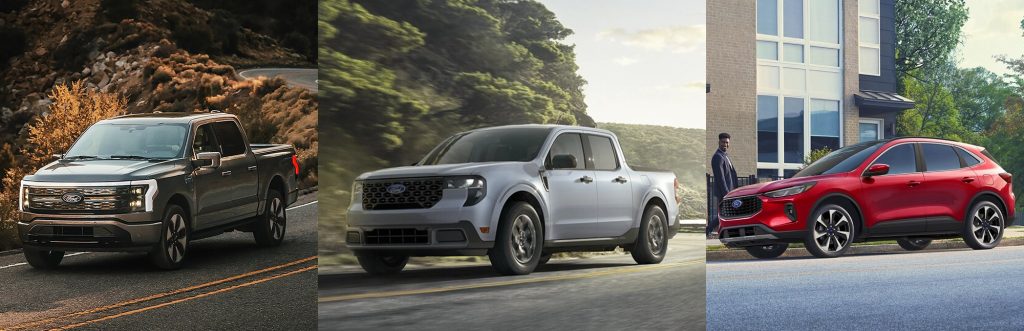
Ford hybrid technology is a proven solution powering everything from noble crossovers to America’s favorite pickup. Understanding and appreciating the everyday brilliance of hybrid technology reveals that they truly make driving better without forcing harsh lifestyle changes. At Portsmouth Ford, we stock a wide range of hybrid model inventory, ready for a no-pressure in-person demonstration for you to see Ford’s hybrid technology in action. Visit us today in Portsmouth, NH!

What Maintenance Does A Hybrid Car Need?: Breaking Down The Technology
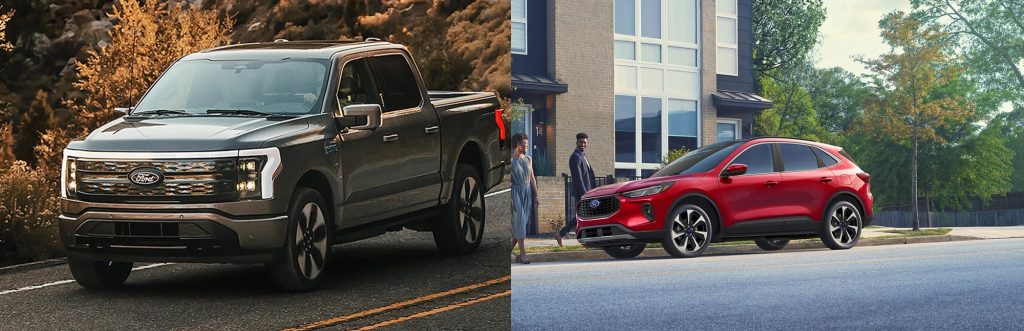
When hybrid technology first rolled into American driveways two decades ago, plenty of skeptics predicted a future of complicated repairs and sky-high service bills. Today, those comments still echo around internet comment sections, yet the data pouring in from real-world owners tells a very different story. At Portsmouth Ford, we service hundreds of electrified Ford F-150s, Ford Mavericks, Ford Escapes, and other Ford hybrids every year, and the verdict is clear: hybrid vehicle maintenance is simpler, less frequent, and often cheaper than the maintenance schedules most drivers grew up with. This article will explain why that’s true, answer the most common questions we hear in our service lane, and show you how an electrified powertrain can help you spend more time on the road and less time dealing with hybrid vehicle maintenance. Visit us today in Portsmouth, NH!
Why Fewer Moving Parts Matter
Modern Ford hybrids pair an efficient gasoline engine with one or two electric motors, a lithium-ion battery pack, and a power-splitting transmission. The electric side of the system replaces several traditional components, including the alternator, starter motor, and sometimes even the accessory belts, reducing the number of items under the hood. Fewer moving parts translate directly to fewer failure points. That alone lowers the cost of hybrid vehicle maintenance, but the benefits don’t stop there.
During city driving, a hybrid spends a surprising amount of time in electric-only mode. Whenever the gasoline engine is off, it doesn’t burn oil, generate heat, or spin interval components, meaning longer intervals between oil changes and reduced stress on the cooling system. Meanwhile, regenerative braking captures kinetic energy to recharge the battery, so the conventional brake pads and rotors handle far less friction than a gasoline vehicle, resulting in less wear on the brakes and reduced hybrid vehicle maintenance. Many hybrid owners reach 70,000 miles before they need their first brake job, saving hundreds of dollars compared with a traditional car that chews through brake pads every 30,000 to 40,000 miles.
Do Hybrid Cars Require More Maintenance?
Routine visits are usually shorter and cheaper than full gasoline models for hybrid cars, leading to lower maintenance costs overall. While the norm may be to get an oil change every 5,000 miles, oil changes may come every 10,000 miles on most Ford hybrids. Spark plugs also last longer because the engine spends so much time idling at zero RPM. The high-voltage battery pack remains maintenance-free for most of the vehicle’s life, only needing replacement after several years of use.
What Kind of Maintenance Does A Hybrid Car Need?
So, what kind of hybrid vehicle maintenance is needed if it skips so many of the typical service items? While hybrids aren’t completely maintenance-free, their regular maintenance requirements are lighter and less frequent. Routine maintenance still includes tire rotations, cabin air filter replacements, brake fluid checks, and suspension inspections. However, there are several things you won’t need to worry about for a long time, if ever. Transmission fluid changes are rare, belts and hoses tend to last longer, and the absence of a starter and alternator means fewer components can fail. On top of that, Ford’s hybrid systems are smart: the vehicles will alert you when it’s time for service, and many models support over-the-air software updates, keeping your hybrid running at peak efficiency with minimal effort or hybrid vehicle maintenance on your part.
Are Hybrids More Expensive To Maintain?
Another common concern is costs. People often ask us whether it’s more expensive for hybrid vehicle maintenance, and it’s easy to assume that newer technology equals higher service bills. However, the maintenance cost of hybrid cars is often lower than their gasoline-only counterparts. You would spend less on a Ford Escape Hybrid in the first few years than on the gasoline model, and over the lifetime of both vehicles, that difference grows even more. Factor in fuel savings, and you’re looking at hundreds – sometimes thousands – of dollars back in your pocket.
The only major cost concern some people have is battery replacement. Yet, that’s mostly a holdover from the early days of hybrid technology. Modern Ford hybrid batteries are built to last well beyond 150,000 miles, and very few drivers ever need to replace one. When they do, the cost has come down significantly, and many batteries are covered under warranty, which provides added peace of mind.
The Future of Hybrid Maintenance
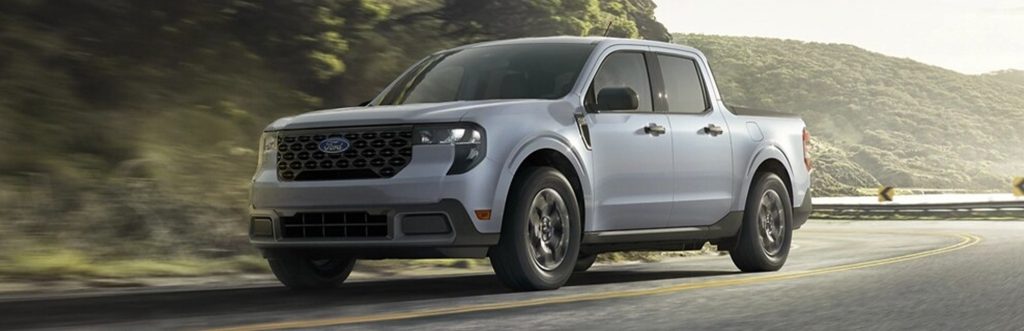
If you’ve been holding back from switching to a hybrid because you thought it might be more expensive or complicated to maintain, now is the time to let those worries go. In reality, hybrid vehicle maintenance is simpler, cheaper, and far less of a hustle than most people expect. Modern Ford hybrids are built to last, require fewer service trips, and come with strong warranties for peace of mind. Stop by Portsmouth Ford to explore our lineup of hybrid trucks and SUVs, or schedule your next service with our expert team. We’ll show you just how easy and affordable hybrid ownership can be. Visit us today in Portsmouth, NH!
Connect with us


Recent Blog Entries
- Ford Super Duty Dually Guide: F-350, F-450, F-550, F-650 & F-750 Explained
- Ford Chassis Cab Buyer’s Guide: Which Model Is Right For Your Business?
- Ford F-250 vs. F-350: What’s the Difference and Which Truck Is Right for You?
- Ford F-450 Vs. F-550: Specs, Payload, And Key Differences
- Ford F-650 Vs. F-750: Which Medium-Duty Truck Is Right For Your Job?